Bee Happy Embroidery Design Review
As a designer who spends more time staring at stitch density charts and fabric swatches than drinking coffee, I approach every new embroidery file with a mix of optimism and skepticism. We have all seen designs that look stunning on a screen but turn into a tangled mess once the needle hits the cloth. Today, I am evaluating Bee Happy, an inspirational embroidery design that promises to add character and cheer to your projects. My goal here is not just to tell you what it looks like, but to analyze how it performs in real-world scenarios, from custom client gifts to high-volume small business merchandise.
First Impressions: Mood and Visual Personality
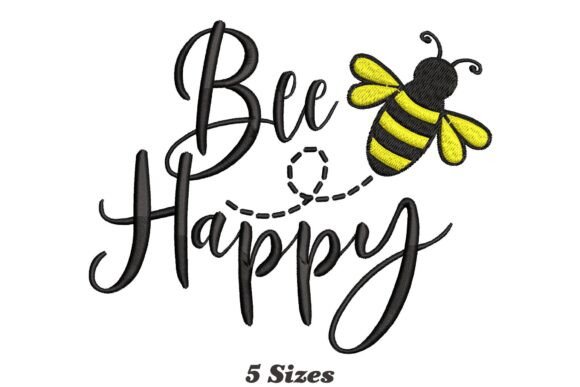
The moment you load the file, the vibe of Bee Happy is immediately apparent. It falls squarely into the inspirational category, but unlike many designs that rely on heavy text or complex illustrations, this piece relies on simplicity and charm. The theme is clear: a cheerful, artistic touch that feels organic rather than rigid. For designers looking to create handmade products that resonate emotionally, this is a strong starting point.
Visually, the layout suggests a balanced composition that works well as a focal point. Whether you are placing it on the chest of a sweatshirt or centered on a kitchen towel, the design commands attention without shouting. The artistic flair implies that this is not just a basic icon; it has been crafted with enough detail to hold up to close inspection, which is crucial for building customer trust in your brand. When a buyer sees quality in the fine details, they perceive higher value in the finished product.
Real-World Application: Where Does Bee Happy Shine?
I recently tested this design concept across several common use cases to see where it fits best. Here is how Bee Happy performed in practical situations:
- Custom Apparel and Sweatshirts: This design translates beautifully to apparel. On a soft cotton t-shirt or a heavyweight fleece sweatshirt, the motifs pop. It works particularly well for spring collections or wellness-themed clothing lines. The cheerful nature of the design makes it ideal for personalized gifts, such as birthday presents or self-care packages.
- Tote Bags and Canvas Goods: As a tote bag design, it offers a perfect balance of utility and aesthetics. Canvas provides a sturdy base that supports the stitching well, allowing the details to remain crisp. For Etsy sellers, this is a highly marketable item, especially when paired with natural jute or organic cotton bags.
- Home Decor and Kitchen Towels: I found this to be a standout choice for home decor. Embroidered tea towels or pillow covers featuring Bee Happy bring a warm, inviting energy to a space. It fits seamlessly into farmhouse, modern rustic, or bright contemporary interiors. The design’s versatility allows it to serve as a decorative accent that doesn’t clash with other patterns in the room.
- Baby Items and Nursery Decor: The gentle, uplifting message makes this suitable for baby clothes or nursery wall art. Parents often look for items that convey positivity, and this design delivers that sentiment softly. However, care must be taken with fabric texture to ensure the stitches are soft against delicate skin.
- Commercial Embroidery and Branding: For small shop owners, this can serve as part of a cohesive brand identity. If your boutique focuses on positivity, community, or nature-inspired themes, this design aligns perfectly. It adds a professional touch to branded merchandise, enhancing recognition among repeat customers.
Technical Considerations and Potential Pitfalls
No design is perfect for every surface. As an experienced reviewer, I must highlight where Bee Happy requires careful handling. Understanding these limitations will save you time, thread, and frustration.
Fabric Texture and Stability: While this design looks great on smooth fabrics, textured materials like chunky knits or heavily woven linen can obscure the finer details. In such cases, the intricate parts of the embroidery may get lost in the weave. Similarly, thin or stretchy fabrics require a robust stabilizer solution. Without proper backing, the design might pucker or distort, ruining the clean lines that make the design appealing.
Hoop Size and Placement: Always verify the recommended hoop size before committing to a large production run. If the design is intended for a small area, such as the cuff of a sleeve or the corner of a patch, ensure that the digitization holds up at that scale. Tiny lettering or small decorative accents can become muddy if the stitch density is too high for the available space. Testing on scrap fabric first is non-negotiable.
Color Contrast: The visual impact of Bee Happy relies heavily on thread colors against the background. On dark fabric, light threads might struggle to provide enough contrast, making the design appear flat. Conversely, on very light fabrics, dark outlines might overpower the softer elements. I recommend creating black and white mockups to evaluate the shape and silhouette independently of color. This helps determine if the design structure is sound regardless of your thread palette.
Durability and Washing: For products that will undergo frequent washing, such as aprons or workwear, check the stitch density. High-density areas can feel stiff and uncomfortable after multiple wash cycles. Ensure that the satin stitch and fill stitch areas are optimized for durability. If the design includes running stitch details, confirm that they are secure enough to withstand wear and tear without fraying.
Designer Notes for Success
To get the most out of this machine embroidery design, follow these practical steps:
- Test First: Never skip the test run. Stitch the design on the exact fabric you plan to sell or gift. This reveals issues with tension, stability, and scale that digital previews cannot show.
- Check Licensing: Before selling finished products or using this as a design asset for commercial purposes, review the licensing terms. Some files are for personal use only, while others allow commercial sales. Clarifying this protects your business from legal issues.
- Optimize Thread Choices: Experiment with different thread colors to match your brand aesthetic. Metallic threads might add a premium feel to home decor items, while matte cotton threads could enhance the handmade appeal of baby items.
- Inspect Small Details: Zoom in on the digital preview to inspect tiny corners and curves. If any details seem too fine for your machine’s capabilities, consider simplifying the design or adjusting the stitch length during editing.
- Consider the End User: Think about who will be wearing or using the final product. A sweatshirt embroidery needs to be comfortable and durable, while a decorative pillow cover prioritizes visual impact over wear resistance.
Final Verdict
Bee Happy is a versatile and emotionally resonant embroidery file that serves both creative entrepreneurs and hobbyists well. Its strength lies in its ability to elevate simple garments and home goods with a touch of whimsy and warmth. By paying attention to fabric choice, stabilizer use, and color contrast, you can produce finished products that look professional and feel special.
Whether you are listing this as an embroidered patch on Etsy, creating custom apparel for a local boutique, or crafting personalized gifts for friends, this design offers a reliable foundation for success. It embodies the spirit of inspiration in a way that is accessible and aesthetically pleasing, making it a valuable addition to any digital embroidery library. Just remember to test thoroughly and respect the technical nuances of embroidery to ensure your hard work shines through in the final result.