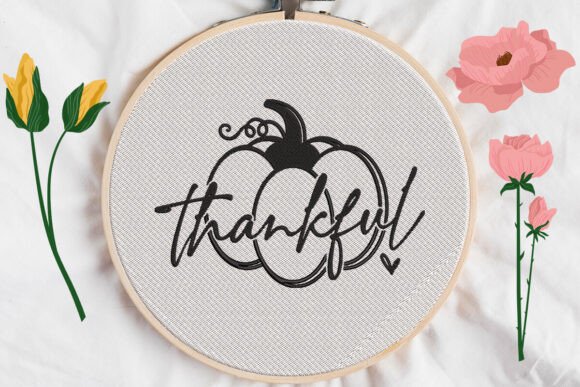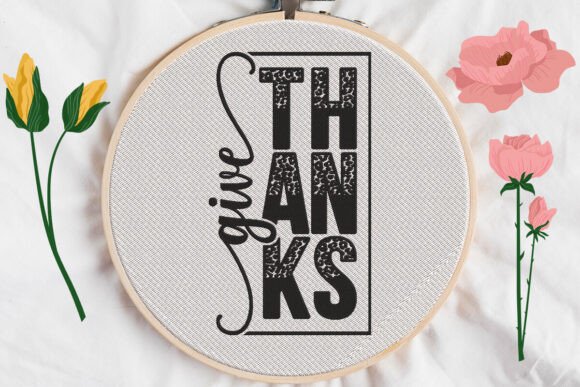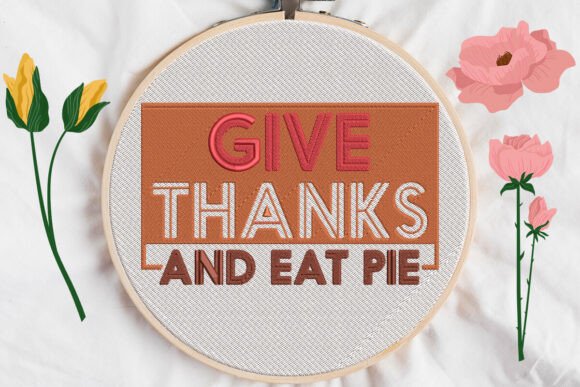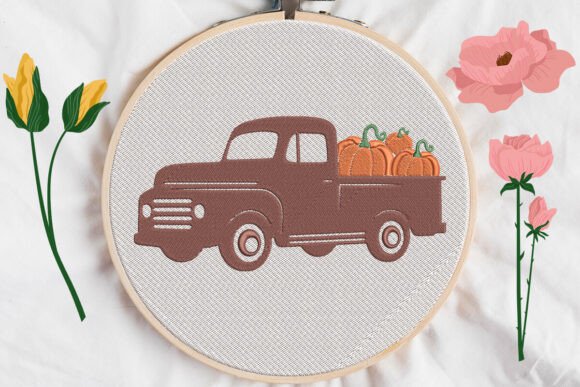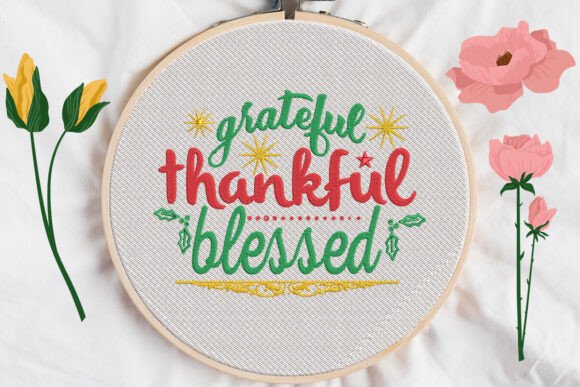
Grateful Thankful Blessed, Thanksgiving Review
When I first opened the file for Grateful Thankful Blessed, Thanksgiving, my initial reaction was one of quiet appreciation. As a designer who spends hours evaluating digital assets for real-world application, I look past the pretty preview and ask: does this design hold up under the needle? Will it translate well from a screen to a finished product that a customer will cherish? The answer, in this case, is a resounding yes, provided you approach it with the right technique.
This embroidery design captures the essence of the season without relying on clichéd turkey motifs or overly complex scenes. It relies on typography and spacing to convey its message, creating a mood that is warm, inviting, and deeply personal. For those of us running small shops or selling on platforms like Etsy, designs like this are gold because they offer versatility. They fit seamlessly into home decor, apparel, gift items, and wall art categories, making them a high-value asset for any creative entrepreneur looking to expand their inventory.
From Screen to Stitch: A Real-World Scenario
Let me walk you through how I would deploy this design in a live production scenario. Imagine I am preparing a custom order for a client who wants a personalized holiday gift. She requests an embroidered tote bag for her mother, something she can use at the farmer's market or for grocery shopping. The brief calls for something elegant but not fussy.
I immediately thought of Grateful Thankful Blessed, Thanksgiving. The layout is clean enough to sit perfectly centered on a canvas tote without overwhelming the fabric, yet detailed enough to stand out against a neutral background. When I tested the design on a scrap piece of heavy cotton duck, the stitch density felt balanced. It wasn't so dense that the fabric puckered, nor so sparse that the letters looked thin and fragile. The visual weight of the text suggests a premium handmade product, which directly impacts customer trust and perceived value.
If I were to pivot this project to a baby item, such as a onesie or a soft blanket, the design would require a slight adjustment in thread color choice. On dark fabrics, the contrast becomes critical. If the original file includes a light-colored font, using it on a navy or black sweatshirt might result in a muddy appearance unless the underlying fill is thick enough. However, on a white or cream baby blanket, this design shines. It transforms a simple garment into a keepsake, perfect for a nursery or a holiday photo prop. The emotional connection a buyer feels when seeing "Grateful" stitched onto a child's outfit is undeniable, and that is where the true power of this embroidery file lies.
Performance Across Different Materials and Projects
The beauty of this machine embroidery design is its adaptability. Whether you are decorating a kitchen towel for a hostess gift or branding a boutique line of aprons, the core aesthetic remains consistent. For commercial embroidery projects, consistency is key. You want your brand to look professional, and this design supports that goal by avoiding jagged edges or poorly spaced kerning that often plague low-quality digitized files.
- Sweatshirt Embroidery: This design works beautifully on fleece or cotton blends. The satin stitch elements likely provide a nice sheen that catches the light, adding a touch of luxury to casual wear.
- Tote Bag Design: Canvas is forgiving, but the stabilizer choice matters here. Using a cut-away stabilizer ensures the design holds its shape even after multiple washes, preventing the dreaded "pull" effect common in lightweight bags.
- Holiday Embroidery: Beyond just Thanksgiving, the theme fits well into autumnal collections. It pairs naturally with fall colors like burnt orange, deep red, and mustard yellow, allowing crafters to create cohesive seasonal lines.
- Apparel Decorators: For those working with caps or hats, be cautious. Curved surfaces can distort lettering if the hoop size isn't appropriate. While this design is versatile, tight curves on a baseball cap might flatten the top portion of the letters slightly.
For digital product sellers creating printable mockups, this design offers excellent flexibility. You can easily visualize it on various backgrounds to test market appeal before ever touching a spool of thread. It serves as a strong design asset for pre-selling items at craft fairs or online stores.
Where Caution is Required
While this design is robust, no single file is a universal solution. There are specific scenarios where Grateful Thankful Blessed, Thanksgiving might struggle if not handled with care. Small hoop sizes are the primary concern here. If the design contains intricate details or small lettering, attempting to stitch it in a 4x4 inch hoop could result in lost definition. The tiny serifs or decorative accents might get lost in the stitching process, turning a sharp design into a blurry mess.
Textured fabrics also pose a challenge. If you are working with a boucle knit or a heavily napped fabric, the stabilizer must be aggressive enough to support the needle penetration. Without proper stabilization, the design may shift, causing the words to run together or the tension to become uneven. Thin fabrics, such as sheer silks or light linens, require a delicate touch. The density of the fill stitches might weigh down the material too much, leading to sagging or distortion over time.
Dark fabrics present another hurdle. Unless the design includes a substantial underlay or a contrasting thread palette, the text might disappear into the background. Always inspect the design in black and white mockups to ensure the contrast levels are sufficient for your intended fabric color. Furthermore, products that need frequent washing, like work aprons or children's clothes, demand high durability. Check the stitch density; if it is too loose, the threads may fray quickly. If it is too dense, the fabric may stiffen uncomfortably.
Practical Designer Notes for Success
Before committing to a full production run or sending a file to a client, I always recommend a rigorous testing phase. Start by testing the design on scrap fabric that matches the texture and weight of your final product. This step alone can save hours of frustration and wasted materials. Pay close attention to the thread color contrast. Sometimes a color that looks vibrant on a monitor appears dull once stitched, especially with metallic or variegated threads.
Review the stitch density carefully. High-density areas should have a solid underlay to prevent the fabric from showing through, while lighter areas should remain breathable. Confirm your hoop size matches the design dimensions; forcing a large design into a small hoop is a recipe for misalignment. Inspect small details closely under good lighting to ensure no gaps exist in the satin columns or running stitches.
It is also vital to understand the licensing terms associated with the digital embroidery file. Are you allowed to sell finished items created with this design? Can you modify the text or colors for customization? These questions are crucial for Etsy sellers and small shop owners to avoid legal pitfalls. Always verify whether the license covers commercial use before listing your handmade products.
Finally, consider the end-user experience. How will the finished product feel against the skin? Is it suitable for a baby? Does it maintain its shape after drying? By addressing these practical concerns, you elevate your work from a simple craft to a professional offering. Grateful Thankful Blessed, Thanksgiving is more than just a pattern; it is a tool for creating meaningful connections between makers and recipients. When used correctly, it results in a finished product that speaks volumes about quality, care, and the spirit of gratitude.