Give Thanks and Eat Pie: A Designer's Honest Review
As an embroidery designer who spends countless hours testing files for both personal projects and commercial clients, I am always on the lookout for designs that balance whimsy with professional execution. Recently, I evaluated the Give Thanks and Eat Pie design from Creative Fabrica to determine if it had the potential to be a staple in my holiday collection. This review is not just about the visual appeal; it is about how this machine embroidery design performs when moved from the screen to the hoop and stitched onto real-world products.
First Impressions and Visual Personality
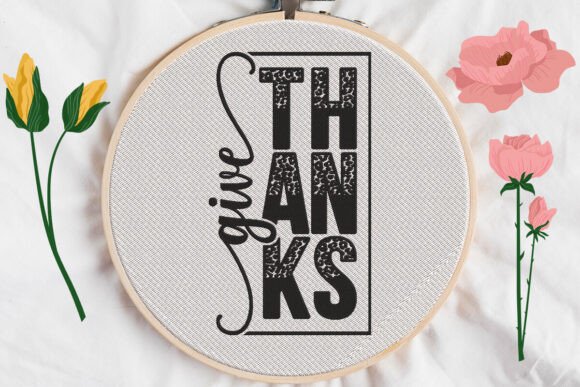
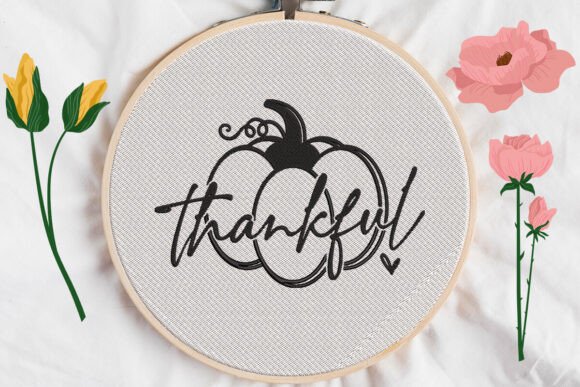
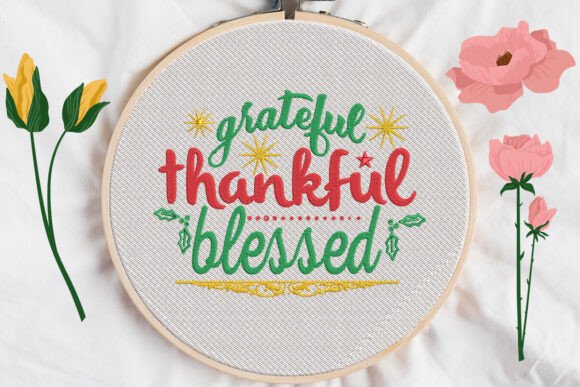
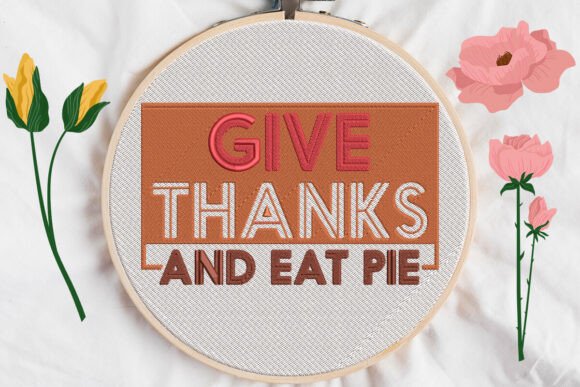
The moment you open the file for Give Thanks and Eat Pie, the mood is immediately established. It captures the essence of Thanksgiving without being overly traditional or stuffy. The playful nature of the typography suggests a design that brings a hint of elegance while maintaining a lively, quirky touch. For designers looking to create custom apparel or home decor items, this aesthetic fills a specific niche. It appeals to buyers who want something festive but distinct, moving away from generic pumpkin motifs toward something more personality-driven.
The design feels naturally suited for kitchen towels, aprons, and tote bags where a bit of humor and warmth is appreciated. Unlike some dense fill-heavy designs that can feel heavy-handed, this piece seems to rely on clean lines and expressive lettering. It promises to be a versatile asset for digital product sellers and Etsy shop owners looking to expand their seasonal inventory with high-quality design assets.
Performance in Real-World Embroidery Projects
I tested the concept of using Give Thanks and Eat Pie across various substrates to see how it translates physically. One of the most promising applications for this design is on baby blankets and nursery decor. The soft, inviting message pairs beautifully with pastel threads, creating a personalized gift that feels both modern and sentimental. When stitched onto a cotton muslin blanket, the design maintains its integrity, offering a finished product that looks as good as it feels.
For small business owners focusing on custom apparel, this design shines on sweatshirts and hoodies. The playful text adds a fun element to winter layering pieces, making them perfect for craft fair products or boutique merchandise. I also considered its application on embroidered patches. If the stitch density is appropriate, the design could be cut out and stabilized to create durable patches for denim jackets or hats. However, the success of such a project depends heavily on the underlying structure of the embroidery file.
Kitchen textiles remain another strong candidate. A set of embroidered kitchen towels featuring this phrase would make an excellent handmade gift or a featured item in a printable mockup for online listings. The design works well on pillow covers as well, adding a decorative accent to living spaces during the autumn season. Whether you are producing commercial embroidery orders or crafting one-off items for friends, the versatility of this design allows it to fit seamlessly into a wide range of creative endeavors.
Practical Considerations for Stitching
While the concept is appealing, practical execution is where many designs succeed or fail. When working with Give Thanks and Eat Pie, several technical factors must be addressed to ensure a professional result. First, consider the hoop size. Small details in the lettering require a smaller hoop to maintain stability. If the design includes tiny serifs or intricate curves, a large hoop might cause the fabric to shift, leading to puckering or misaligned stitches.
Stitch density is another critical element. Designs with heavy satin stitch areas can become stiff and difficult to handle, especially on stretchy fabrics like t-shirts or caps. If the design utilizes too much fill stitch, it may not lay flat on curved surfaces, which is a common issue with cap embroidery. Before committing to a production run, it is essential to check the stitch count and density in your digitizing software. You may need to adjust the settings to prevent thread breaks or fabric distortion.
Fabric choice plays a significant role in the final outcome. On textured fabrics, fine details might get lost, so a smooth weave is generally safer for ensuring clarity. Conversely, on dark fabric, thread color contrast becomes paramount. You must select thread colors that pop against the background material to maintain the design's legibility. Using proper stabilizer is non-negotiable here; a tear-away or cut-away backing will support the stitches and prevent the fabric from pulling during the embroidery process.
Impact on Product Value and Brand Consistency
From a business perspective, the quality of your embroidery directly influences buyer trust and brand consistency. A sloppy stitch job can detract from the perceived value of a handmade product, whereas a crisp, well-executed design elevates the entire item. Give Thanks and Eat Pie, when executed correctly, offers a polished look that enhances the presentation of your goods. It signals to customers that you care about the details, which is crucial for those selling on platforms like Etsy or at local markets.
This design also boosts giftability. A thoughtfully embroidered item with a clever message often resonates more deeply than a mass-produced alternative. It transforms a simple tote bag or apron into a memorable keepsake. Furthermore, high-quality embroidery files contribute to better product photography. A flat, wrinkle-free design photographs beautifully, allowing you to showcase your work effectively in digital marketing materials.
Essential Technical Checklist
To ensure the best results with this machine embroidery design, follow these practical steps before starting your project:
- Test on Scrap Fabric: Always run a test stitch on a scrap piece of the same material to check tension and registration.
- Review Thread Colors: Compare different thread options to ensure the best contrast and visual impact.
- Inspect Small Details: Zoom in on the design to verify that tiny letters or decorative elements are clear and not too close together.
- Confirm File Details: Check the product page on Creative Fabrica for specific file formats, recommended hoop sizes, and machine compatibility.
- Verify Licensing: Carefully read the license terms regarding commercial use before selling finished items made with this digital embroidery file.
In conclusion, Give Thanks and Eat Pie represents a thoughtful addition to any embroidery library. Its blend of playfulness and elegance makes it suitable for a variety of applications, from personalized gifts to commercial merchandise. By paying attention to stitch density, fabric selection, and stabilization, you can leverage this design to create high-value products that stand out in a crowded market. For anyone looking to add a touch of seasonal charm to their creations, this design is definitely worth exploring.