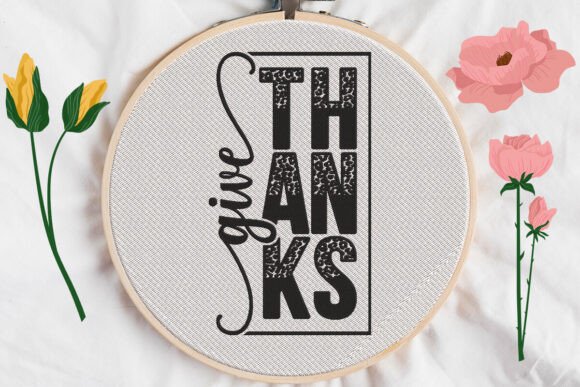
Give Thanks, Thanksgiving Day: A Designer's Review
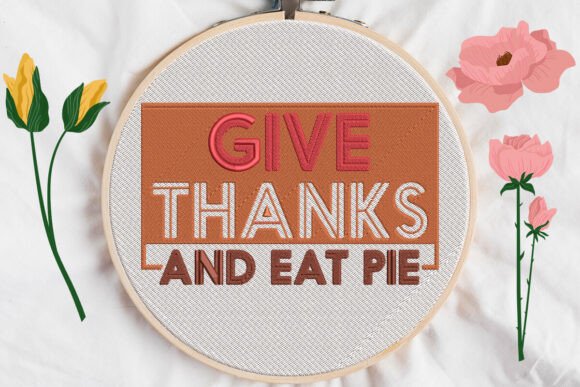
As an experienced embroidery designer who has spent countless hours testing files for my own shop and clients, I know that the difference between a good product and a bestseller often comes down to the design itself. Recently, I received the Give Thanks, Thanksgiving Day machine embroidery design for review. My goal was simple: determine if this file could serve as a cornerstone for a line of personalized gifts ranging from baby items to wedding keepsakes. After running several test stitches on various fabrics, I have compiled a practical look at how this design performs in real-world scenarios.
The First Impression: Warmth and Charm
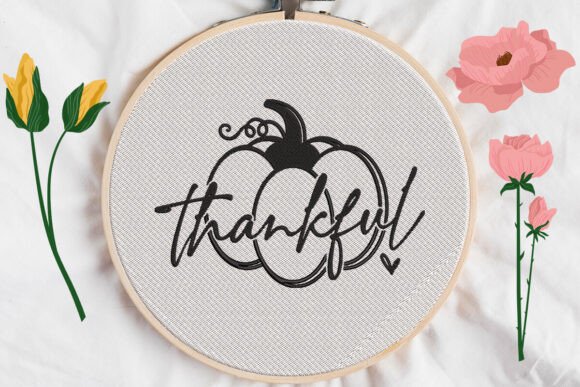
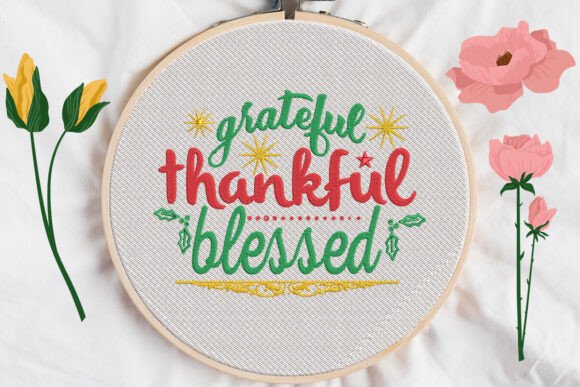
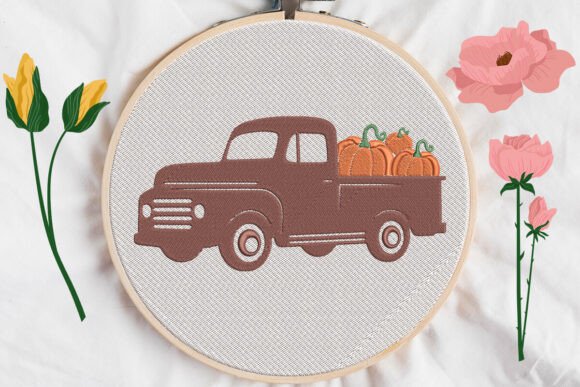
When you first open an embroidery file, the mood is everything. The Give Thanks, Thanksgiving Day design immediately exudes a sense of classic seasonal warmth. It does not feel overly modern or trendy; instead, it strikes a perfect balance that feels timeless and inviting. For a business owner looking to create meaningful products, this emotional appeal is crucial. It captures the essence of gratitude without being cliché, making it suitable for families who want to celebrate the holiday with a touch of elegance.
The charm of this design lies in its detail level. It appears sweet yet structured, avoiding the clutter that can sometimes make machine embroidery look cheap. When placed on a kitchen towel or a nursery pillow, the design suggests a handmade quality that customers are willing to pay a premium for. It feels like something a grandmother would stitch by hand, even though it is produced by a machine. This perception of care is what drives engagement on platforms like Etsy and attracts buyers looking for unique, heartfelt presents.
From Digital File to Finished Product
The versatility of the Give Thanks, Thanksgiving Day embroidery design makes it a standout choice for a wide array of projects. Imagine a customer browsing your shop for a special baby gift. This design transforms beautifully into baby embroidery, whether stitched onto a soft receiving blanket or a onesie. The gentle sentiment resonates deeply with new parents who want to mark their child's first Thanksgiving with a lasting memory.
For those specializing in home decor, the possibilities are equally exciting. Picture a set of embroidered towels in a cozy kitchen, each featuring the Give Thanks, Thanksgiving Day motif. These embroidered towels become functional art pieces that add personality to a home. Similarly, using this file on a pillow cover creates an instant focal point for a living room or a guest bedroom. The design also works exceptionally well on tote bags and aprons, turning everyday items into conversation starters for craft fairs and online listings.
Wedding gift designers will find particular value here. A custom wedding gift that incorporates this theme can be used for a couple hosting their first holiday season together. It serves as a beautiful family keepsake that bridges the gap between the wedding celebration and the upcoming winter holidays. Whether you are creating a custom embroidery piece for a client or stocking up inventory for the holiday rush, this design offers a high perceived value that elevates your brand.
Where to Exercise Caution
While this design is versatile, every professional knows that success depends on knowing where not to use a pattern. There are specific scenarios where the machine embroidery design might struggle to deliver the expected results. If you are working with very small lettering or delicate details, ensure that the final product size allows for these elements to be visible. On a tiny item like a pocket square, fine lines may disappear, so scale the design appropriately.
Fabric texture plays a massive role in the final look. Thick terry cloth towels or heavily textured fabrics can obscure the definition of the stitches. In these cases, the design might look less crisp than intended. Additionally, stretchy fabrics like baby clothes require careful handling. Without proper stabilization, the fabric can pucker around the stitch density of the design, ruining the aesthetic. Curved surfaces, such as the rounded body of a mug or a curved hat brim, also present challenges where the flat nature of the design might not lay perfectly flat.
Dark fabrics require extra attention to thread color contrast. If the background is dark and the thread colors are light, the design may lack impact unless a stabilizing underlay or specific thread choices are made. Finally, consider the end-use of the product. Items that need frequent washing, such as daily wear aprons or children's clothing, should be tested for durability. While machine embroidery is generally durable, the longevity of the design depends on the quality of the stitching and the stability of the fabric.
Boosting Giftability and Trust
In the world of handmade commerce, the photograph is your most powerful sales tool. A well-executed Give Thanks, Thanksgiving Day design significantly enhances product photography. When the stitching is clean and the placement is precise, it signals professionalism and trustworthiness to potential buyers. Customers can "feel" the quality through the image, which increases their confidence in purchasing a personalized gift they cannot physically touch.
This design fosters an emotional connection that is vital for holiday sales. People do not just buy a towel; they buy the feeling of gratitude and home that the design represents. By offering this design as part of a small shop product line, you position yourself as a creator who understands the nuances of gifting. The perceived value of a finished product rises when the design looks intentional and polished, encouraging repeat business and positive reviews.
Practical Notes for the Maker
Before committing to a large production run or taking custom orders, there are essential steps every designer must take. Always start by testing on scrap fabric that matches your intended final material. This helps you gauge how the thread colors interact with the fabric and ensures the hoop size accommodates the design without cutting off edges.
Check the stitch density carefully. High-density areas can cause puckering if the wrong stabilizer is used. For heavy items like blankets, a cut-away stabilizer is often necessary to maintain shape over time. Compare mockups on both light and dark fabrics to see how the contrast shifts. Pay close attention to small details after stitching; sometimes what looks good on the screen needs adjustment in the hoop to avoid thread breaks.
Finally, always confirm commercial licensing before selling finished products. Ensure that your digital embroidery file purchase agreement allows for resale of physical goods. If specific details regarding the file format or exact dimensions are not provided in the initial description, contact the designer to clarify. Taking these precautions ensures that your finished product meets the highest standards of quality.
By thoughtfully integrating the Give Thanks, Thanksgiving Day design into your workflow, you can create products that resonate with customers on a deep, personal level. Whether you are an Etsy seller or a boutique owner, this design offers a solid foundation for building a loyal customer base during the holiday season and beyond.