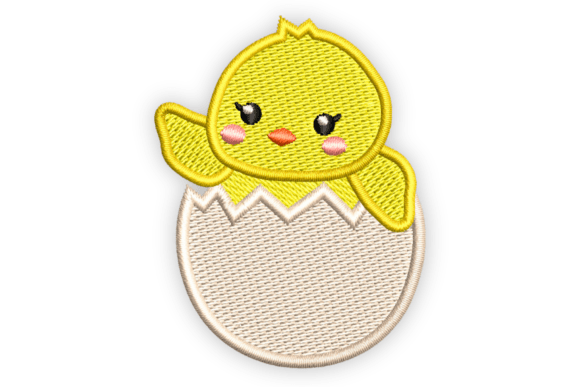
Easter Chick in Cracked Egg Embroidery Review
If you are prepping for the upcoming spring craft fair season, you know that your booth display needs to stop people in their tracks. As an embroidery designer who has spent years turning digital files into tangible, sellable goods, I look at every new design asset with a critical eye. Does it photograph well? Is it easy to stitch efficiently? And most importantly, will it resonate with customers looking for handmade product quality?
I recently reviewed the Easter Chick in Cracked Egg machine embroidery design, and I want to share my professional assessment on how this file might perform in your business. Whether you are an Etsy seller, a boutique maker, or a weekend market vendor, understanding the practical application of this design is key to maximizing your sales.
First Impressions and Visual Appeal
The title Easter Chick in Cracked Egg suggests a playful, festive theme. Based on the description—celebrating Easter with an adorable chick popping out of a cracked egg—the design likely leans toward the cute and charming end of the spectrum rather than the minimalist or modern side. For craft fairs, "cute" is a powerful driver of impulse buys, especially during the holiday season.
When I imagine this design on a table, I picture it as a focal point. It is not just a subtle accent; it is a character-driven image that invites interaction. Customers often gravitate towards designs that tell a micro-story. A chick breaking free from its shell implies new beginnings, spring, and joy. This emotional connection is what elevates a simple embroidery file into a desirable gift item. The hand-drawn nature mentioned in the description promises organic lines and softness, which tends to read as premium and artisanal compared to rigid, geometric vector graphics.
Product Application: Where It Sells Best
To determine the ROI (Return on Investment) of stitching this design, we need to look at where it performs best. Not every design works on every surface. Here is my breakdown of potential products for your inventory:
- Tote Bag Design Potential: A classic canvas tote bag is the bread and butter of craft fair sales. Placing the chick centrally on a natural cotton tote allows the design to breathe. The contrast between the sturdy fabric and the delicate thread work creates a tactile appeal that shoppers love. This is a high-volume item if priced correctly.
- Apron Embroidery: Spring cleaning and Easter brunch preparations drive apron sales. Positioning the chick near the chest pocket or centered on the bib adds a functional yet decorative touch. Ensure the design fits within the standard chest area without overwhelming the garment’s silhouette.
- Tea Towel Embroidery: Kitchen textiles are excellent for showcasing thread colors. The white or cream background of a tea towel provides a clean canvas, making the thread colors pop. This is a lower-cost entry point for customers, making it a great add-on sale at checkout.
- Embroidered Patch: If the design includes a clear border or can be easily hooped with a stabilizer, creating embroidered patches is a smart move. Patches can be ironed or sewn onto denim jackets, backpacks, and children’s clothing, extending the life of the product beyond just home decor.
- Caps and Headwear: Curved surfaces like baseball caps present a challenge. You must ensure the design is scaled appropriately so the chick does not distort when stitched on the curve. A smaller placement on the front panel often looks more sophisticated and sells better than oversized logos.
- Fabric Pouches and Pillow Covers: These items allow for larger formats. If the design is detailed, a pillow cover gives the stitches room to shine. However, be mindful of the finished product size relative to your hoop limitations.
Production Practicality and Batch Efficiency
For any small shop product, efficiency is money. I always evaluate how a design behaves during batch production. The Easter Chick in Cracked Egg needs to be assessed for its stitch density. Designs with large areas of dense satin stitching can slow down your machine and increase the risk of thread breaks or puckering, especially on thinner fabrics like tea towels.
Check the stitch density carefully. If the chick’s feathers or the eggshell texture require excessive back-and-forth stitching, consider using fill stitches instead for a softer, faster result. You also need to confirm the hoop size required. If the design requires a large hoop, you are limited by the physical space of your embroidery machine and may struggle to stitch smaller items like caps or cuffs without specialized attachments.
Photography is another critical factor. When you create a printable mockup or shoot real samples, does the design translate well through a camera lens? Complex details can sometimes get lost in photos taken from a distance. If the chick’s features are too tiny, they may appear muddy in an online listing. Aim for clarity and boldness in your final output to ensure your Etsy listings convert browsers into buyers.
Cautionary Notes for Quality Control
Even the most beautiful designs can fail if production isn't handled with care. Here are specific pitfalls to watch out for with this type of subject matter:
- Fabric Texture: Avoid placing this design on heavily textured fabrics like bouclé or thick terry cloth unless you have tested it thoroughly. The texture can hide the detail of the chick, making the design look unfinished.
- Dark Fabric Challenges: Stitching light-colored threads on dark fabric requires a higher stitch count to prevent show-through. If you plan to use black or navy totes, ensure you have enough contrasting thread colors available and consider underlay stitches to stabilize the base.
- Small Details: If the design includes tiny text or fine lines, test it at the actual size you intend to produce. What looks good on a computer screen may become illegible when stitched at 4 inches tall.
- Stabilizer Selection: Using the wrong stabilizer can ruin a project. For woven fabrics like cotton totes, a cut-away stabilizer is usually best for durability. For knits or stretchy materials, you might need a different approach to prevent distortion.
Final Designer Verdict
The Easter Chick in Cracked Egg design has strong commercial potential for the spring market. Its charming aesthetic aligns perfectly with the handmade ethos that craft fair attendees seek. To succeed, focus on pairing it with high-quality blank goods—natural cottons, sturdy canvases, and soft linens.
Before you commit to mass production, follow these essential steps: test the design on scrap fabric to check tension, review the spacing to ensure it fits your target products, and inspect the stitch quality closely. Create at least one real mockup to see how it photographs. Finally, double-check your commercial licensing rights before selling finished items. By treating this design with professional rigor, you can turn a simple digital asset into a standout craft fair product that drives sales and builds your brand reputation.