Everything Sucks Embroidery Design Review
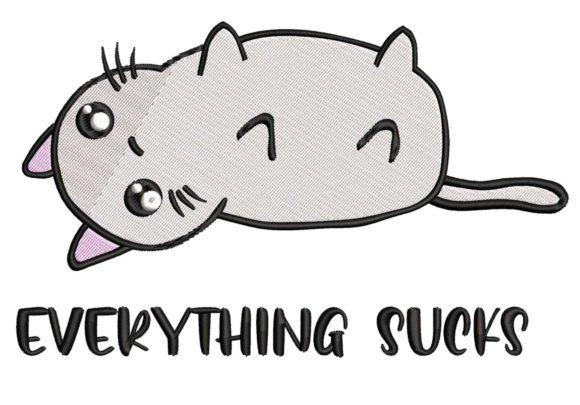
As an embroidery designer who spends weekends hunched over a sewing machine and another weekend setting up a booth at craft fairs, I have learned that the difference between a "nice" design and a craft fair product that actually sells comes down to one thing: attitude. We are not just selling fabric; we are selling a vibe. When I first laid eyes on the Everything Sucks digital embroidery file, my immediate reaction was a nod of recognition. In the world of handmade goods, humor paired with resilience is a powerful currency. This design isn't just a cat; it is a mood board come to life.
The First Impression: Bold Attitude Meets Feline Grace
The title Everything Sucks is blunt, modern, and instantly relatable. It cuts through the noise of pastel florals and farmhouse crosses that dominate many market tables. The description mentions "feline fortitude" and a "resilient kitty," which suggests a character-driven piece rather than a simple silhouette. For an Etsy seller or boutique maker, this distinction is critical. Customers do not buy generic shapes; they buy personalities.
Visually, I anticipate this design leaning towards a bold, perhaps slightly sarcastic aesthetic. It feels less like a soft, traditional heirloom piece and more like a statement for the modern creative entrepreneur. The juxtaposition of a cute animal with a cynical phrase creates a visual hook that stops people in their tracks. At a craft fair, where you have about three seconds to grab a passerby’s attention, that contrast is your best friend. It signals that the brand behind the product understands the daily grind of making things by hand.
Product Applications: Where Everything Sucks Shines
Not every design fits every canvas. After reviewing the file structure and imagining it stitched out, I see clear winners and potential challenges for various handmade products.
Tote Bags and Market Totes
This is the home run category. A sturdy canvas tote bag provides the perfect neutral backdrop for the Everything Sucks design. Whether placed centrally on the front panel or tucked into the corner as a subtle accent, the design benefits from the flat, stable surface of the bag. For tote bag design, clarity is key. If the cat’s expression is detailed, ensure the hoop size allows for enough resolution so the "attitude" doesn't get lost in the weave of the cotton. This item screams "gift for the overwhelmed teacher" or "present for the busy mom," two massive demographics at holiday markets.
Apron Embroidery and Tea Towel Embroidery
Kitchen items are impulse buys, but only if they look premium. An apron embroidery placement on the bib area works well for this text-heavy or character-heavy design. However, be mindful of the stitch density. Aprons take a beating; if the design is too dense, it may feel stiff against the wearer’s chest. Conversely, a tea towel embroidery placement offers a softer touch. The texture of the terry cloth can sometimes swallow tiny details, so I recommend using high-contrast thread colors to ensure the cat’s features pop against the fabric.
Caps and Embroidered Patches
Snapbacks and dad hats are staples of the handmade market. Placing Everything Sucks on a curved cap surface requires careful digitizing. The curve can distort small lettering or fine whisker details. If the design includes small text, test it on a curved surface before committing to bulk production. Alternatively, turning this into an embroidered patch allows for maximum versatility. You can sew the patch onto denim jackets, backpacks, or even laptop sleeves, expanding the reach of the machine embroidery design beyond its original intended use.
Production Practicality and Booth Display
From a business perspective, efficiency is everything. Does this design allow for batch production? Yes. The theme is evergreen—people will always need a laugh about how hard life can be. This makes it a reliable staple for your inventory. When setting up your booth display, consider creating a "relatable" vignette. Pair the embroidered totes with coffee mugs or notebooks. The narrative sells itself: "For when you need a reminder that it’s okay to not be okay."
Photography is equally important. A printable mockup is great for online listings, but nothing beats a real photo of the finished product. The texture of the embroidery adds depth to images. Ensure your lighting highlights the sheen of the threads, particularly if you are using metallic or variegated threads for the cat’s fur. This elevates the perceived value of the small shop product, allowing you to command a higher price point.
Careful Use Notes: Avoiding Common Pitfalls
While the concept is strong, execution is where designs fail. Here are critical checks before you start stitching:
- Stitch Density and Tiny Details: Inspect the digitization for any overly dense areas. If the cat has intricate fur patterns, ensure they are simplified enough to stitch cleanly. Too much density can cause puckering, especially on lighter fabrics like tea towels.
- Small Lettering: If the phrase "Everything Sucks" is included in small font sizes, it may become illegible. Text should generally be no smaller than 0.5 inches in height for optimal readability. If the text is tiny, advise customers that it is best viewed up close, or increase the font size in the digitizing software if possible.
- Fabric Texture and Stabilizer: Always use the right stabilizer. For stretchy knits like caps, a cut-away stabilizer is non-negotiable to prevent distortion. For woven fabrics like aprons, a tear-away might suffice, but a wash-away backing can help reduce stiffness.
- Thread Contrast: Test your thread colors against your chosen fabric. A dark cat on a black background will disappear. High contrast ensures the design stands out both in person and in photos.
- Hoop Size Constraints: Confirm the hoop size required by the file. If the design is large, you may need a multi-hooped approach, which increases production time. Ensure your machine can handle the scale without frequent repositioning errors.
Final Verdict for the Creative Entrepreneur
The Everything Sucks design is a strategic addition to any commercial embroidery catalog. It taps into the trend of "anti-perfectionism" and resonates with adults who appreciate dry humor. It is versatile enough for digital sellers offering design assets and physical makers producing finished products.
To maximize its success, treat it as a premium item. Do not rush the production. Take the time to create at least one real mockup on your target fabric. Compare different fabric colors to find the one that makes the design sing. And most importantly, confirm your commercial licensing rights before selling these items. With proper execution, this design has the potential to become a bestseller at your next craft fair, connecting with buyers who want something honest, funny, and beautifully made.