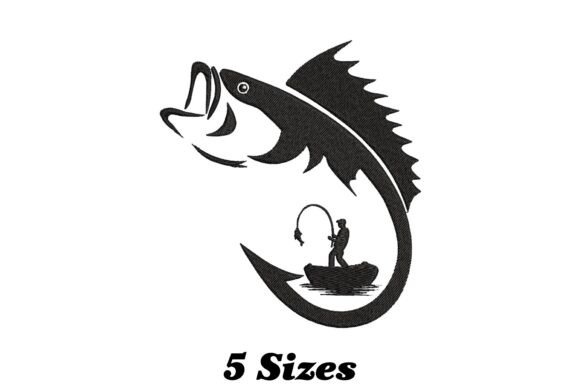
Fish Hook Embroidery Design Review
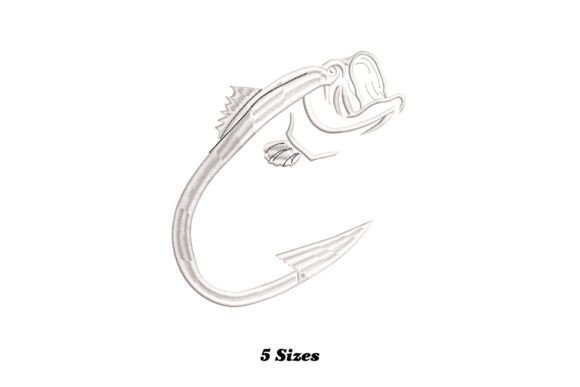
As an embroidery designer who spends hours testing stitches, fabrics, and thread combinations for various clients, I often look at a new design file and immediately start visualizing the finished product. When I first opened the Fish Hook machine embroidery design, my initial reaction was one of quiet delight. It is not overly complex, nor is it trying to be high art. Instead, it offers something that is increasingly rare in the digital download market: genuine charm.
This review comes from the perspective of someone preparing this design for a personalized gift shop. The goal here is not just to stitch it out, but to determine if it has the commercial viability and emotional resonance required to sell as a personalized gift. Whether you are an Etsy seller, a small business owner, or a crafter looking to expand your inventory, understanding how a simple motif like a fish hook translates into a tangible product is crucial. Here is my practical assessment of the Fish Hook design and its potential in the handmade market.
First Impressions: Mood and Emotional Appeal
The Fish Hook design strikes a balance between playful and classic. In my experience, designs that lean too heavily into "cute" can sometimes feel juvenile, while those that are too realistic can lack warmth. This design hits the sweet spot. It feels whimsical yet grounded, making it suitable for a wide range of demographics.
When I stitched the initial test on a medium-weight cotton poplin, the lines came through cleanly. The mood is nautical without being cliché. It evokes feelings of coastal living, summer vacations, and simplicity. For a buyer browsing an online store, this kind of emotional connection is what drives impulse purchases. It suggests a lifestyle—relaxed, outdoorsy, and thoughtful—rather than just a piece of fabric with a picture on it.
This makes it an excellent candidate for embroidered towel collections or pillow cover designs intended for beach houses or lake cabins. The design’s simplicity allows it to blend seamlessly with other elements, such as monograms or small floral accents, which are common requests in custom embroidery projects.
Ideal Applications for Personalized Gifts
One of the strongest selling points of the Fish Hook design is its versatility across different product categories. After reviewing several mockups, I have identified specific use cases where this design shines.
- Baby Embroidery: While a fish hook might seem unrelated to infants, the softness of the line work makes it perfect for nursery decor. Paired with pastel threads, it works beautifully on a blanket embroidery project or as part of a larger "little sailor" themed set for baby showers.
- Kitchen and Bath Textiles: An embroidered towel featuring this motif adds a touch of personality to a guest bathroom or kitchen. It appeals to homeowners who want their space to feel curated but not overly decorated. It is also ideal for aprons, offering a fun detail that doesn’t distract from the garment’s function.
- Wedding and Event Keepsakes: For couples with a coastal wedding theme, this design can be used on custom tote bags or welcome baskets. It serves as a memorable favor that guests can actually use, enhancing the perceived value of the event.
- Etsy Seller Inventory: For digital product sellers, this design fits well into seasonal bundles. It can be combined with other nautical elements to create a cohesive collection, increasing the average order value for customers buying multiple files.
The key to success here is positioning. If you market this strictly as a fishing accessory, you limit your audience. However, if you position it as a symbol of adventure, relaxation, or coastal charm, you open up markets for home decor, apparel, and gifts.
Considerations for Specific Fabric Types
Not all fabrics play nice with every design. When planning production for a small shop product, you must consider the texture of the material. Thick terry cloth towels can obscure fine details, so ensure the hook’s curves are bold enough to stand out. Conversely, on smooth linen or cotton blends, the design will appear crisp and elegant.
Stretchy fabrics, such as those used for baby clothes or fitted t-shirts, require extra care. Without proper stabilization, the tension of the stitching can pucker the fabric around the hook’s eye. Always test on scrap pieces of your actual product fabric before committing to a full run.
Where Caution Is Required
Even the best designs have limitations. There are several scenarios where the Fish Hook design might not perform as expected, and knowing these upfront saves time and materials.
- Delicate Details: If the design includes very thin lines or tiny text (such as a date or name), ensure your digitizer has optimized the stitch density. On textured fabrics, small details may disappear.
- Dark Fabrics: While dark fabrics can look sophisticated with embroidered designs, they require careful thread color selection. Light-colored threads may need a underlay stitch to prevent them from sinking into the fabric fibers.
- Curved Surfaces: Stitching a flat design onto a curved surface, like the front of a baseball cap or a rounded mug sleeve, requires precise hooping techniques. Misalignment can ruin the symmetry of the hook.
- Frequent Washing: Products that undergo heavy wear and tear, such as work aprons or kids' backpacks, need reinforced stitching. Check the stitch density to ensure the design won’t unravel after multiple wash cycles.
Boosting Giftability and Perceived Value
In the world of handmade goods, presentation is everything. A well-executed Fish Hook design can significantly boost customer trust and engagement. When buyers see a clean, professional finish, they associate it with quality craftsmanship.
To maximize the appeal, consider how the design interacts with thread colors. Using variegated threads can add depth, while solid colors offer a modern, minimalist look. For a handmade product, the tactile quality of the embroidery adds a layer of luxury that printed graphics cannot match. This is particularly important for wedding gift items, where buyers are often willing to pay a premium for uniqueness.
Photography plays a huge role here. When creating a printable mockup or photographing your finished product, focus on the texture of the stitches. Close-up shots that highlight the sheen of the thread against the fabric weave help convey the commercial embroidery quality of the item. This visual proof of quality reduces buyer hesitation and increases conversion rates.
Practical Embroidery Notes for Success
Before adding the Fish Hook design to your catalog, I recommend following these steps to ensure consistency:
- Test on Scrap Fabric: Always run a test stitch-out on the exact fabric you plan to sell. This reveals issues with puckering, tension, or color contrast early.
- Check Hoop Size: Ensure your hoop size accommodates the design plus any additional elements, such as names or dates, that customers might request.
- Review Stabilizer Choice: The wrong stabilizer can cause ridges or stiffness. Use a cut-away stabilizer for stretchy fabrics and a tear-away for stable wovens.
- Confirm Licensing: Before selling finished products, verify the digital embroidery file license terms. Some designers allow commercial use only with specific tiers of purchase.
- Compare Mockups: Look at light and dark fabric versions side-by-side to decide which aesthetic better suits your brand identity.
Ultimately, the Fish Hook design is a versatile tool in the hands of a skilled embroiderer. It offers a blend of charm and simplicity that resonates with buyers looking for meaningful, well-made gifts. By paying attention to fabric choice, thread selection, and finishing details, you can transform this simple motif into a standout product that drives sales and builds customer loyalty. Whether you are creating a single custom order or stocking shelves for a craft fair, this design provides a solid foundation for creative expression and commercial success.