Floral Elements Embroidery Review
As an embroidery designer who spends most of my day troubleshooting tension issues and optimizing stitch paths, I am always cautious about adding new files to my library. The market is saturated with generic designs that look good on a screen but fail miserably under the needle. Recently, I came across Floral Elements on Creative Fabrica and decided to put it through its paces. My goal was simple: determine if this machine embroidery design holds up in real-world commercial applications or if it belongs in the "test scrap" pile.
I selected Floral Elements for a specific project: a line of boutique kitchen towels and nursery pillow covers. These items require a balance of whimsy and durability. They need to look charming enough to sell at craft fairs but sturdy enough to survive frequent washing. Here is my honest evaluation of how this file performed during the design and production process.
First Impressions and Visual Appeal
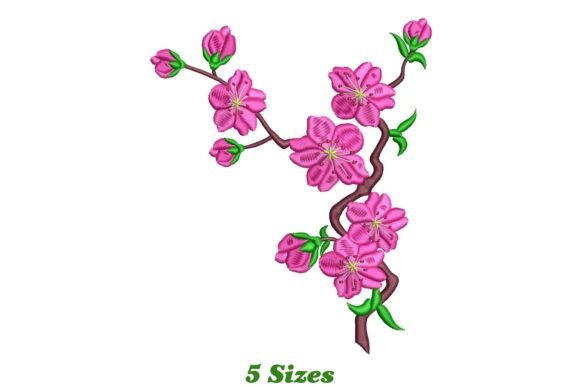
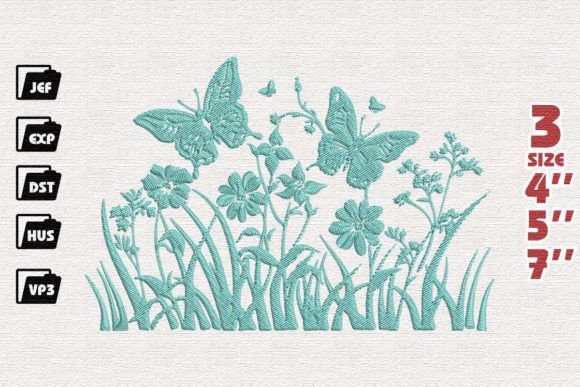
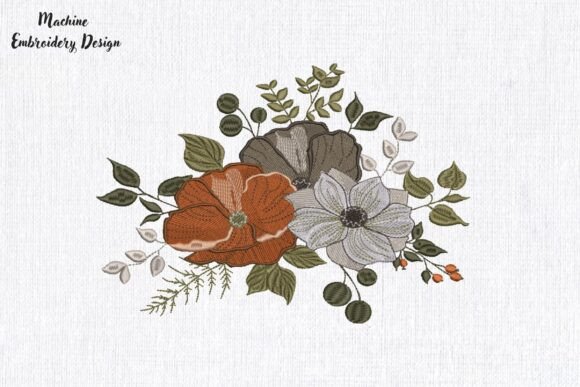
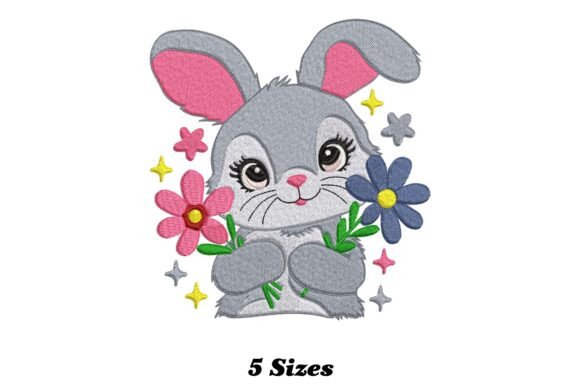
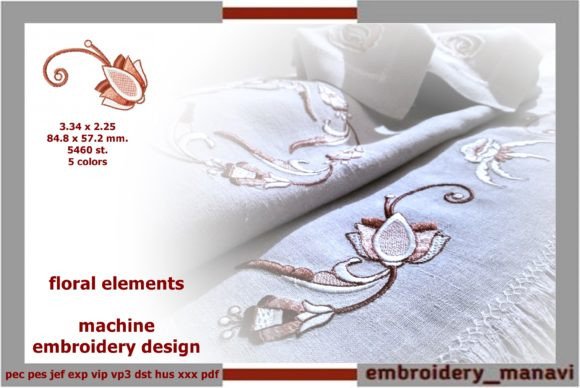
The moment I imported the embroidery file into my digitizing software, the aesthetic was clear. This is not a heavy, dense block of thread. Instead, it offers a lighter, more airy feel that aligns perfectly with the "whimsy and charm" description provided in the product listing. The visual mood is soft and romantic, making it an excellent choice for Single Flowers categories where delicate details matter more than bold statements.
For designers looking to create custom apparel or personalized gifts, the decorative appeal of Floral Elements is high. It has a natural elegance that translates well to various mediums. Whether you are creating tote bag design assets or working on sweatshirt embroidery projects, this design brings a touch of sophistication without overwhelming the garment’s base fabric. It feels like a premium asset rather than a clip-art afterthought.
Performance in Real-World Projects
I tested Floral Elements on several different materials to see how it handled the rigors of actual production. Here is how it performed across key product categories:
- Kitchen Towels and Aprons: The design stitched cleanly on cotton blends. Because it avoids overly dense areas, it does not stiffen the fabric too much, which is crucial for kitchen linens that need to remain functional. The running stitch outlines were crisp, and the fill stitch areas showed good coverage without puckering.
- Baby Items and Nursery Decor: For handmade products aimed at infants, safety and softness are paramount. This design’s lighter touch makes it ideal for baby blankets and crib mobiles. It creates a gentle focal point that enhances the visual appeal of the finished product without being harsh on sensitive skin.
- Caps and Patches: When applied to curved surfaces like caps, the design maintained its shape well. However, due to the delicate nature of some floral elements, I found it worked best as an embroidered patch sewn onto a structured cap rather than direct-to-garment stitching on unstructured hats.
- Etsy Listings and Digital Mockups: From a seller’s perspective, this design photographs beautifully. The contrast between the thread colors and the negative space creates depth in photos. If you are selling printable mockup templates or digital assets, this design adds immediate value because it looks professional and ready-to-use.
Practical Considerations and Technical Notes
No design is perfect, and understanding the limitations of Floral Elements is key to using it successfully. As a professional, I always advise checking the following technical aspects before committing to a large production run.
Hoop Size and Density
The hoop size required for this design appears to be relatively small to medium. This is advantageous for smaller items like aprons or kitchen towels, but it may limit its use on larger garments unless you plan to re-hooper or split the design. Furthermore, while the overall density is moderate, some individual flower centers may have tighter stitch density. Always inspect these areas closely. If you are stitching on thick terry cloth or fleece, you may need to adjust your tension or use a stronger stabilizer to prevent the center from pulling.
Fabric Compatibility
This design shines on woven fabrics like cotton, linen, and denim. It struggles slightly on highly stretchy knits unless a cut-away stabilizer is used correctly. On dark fabrics, ensure your chosen thread colors provide sufficient contrast. Light pastel threads might get lost on navy blue backgrounds, so always do a quick test run or use a digital mockup to verify visibility.
Stabilizer and Thread Choices
To achieve the best results, I recommend using a high-quality tear-away or cut-away stabilizer depending on the fabric weight. For thread colors, I suggest using polyester or rayon threads that complement the soft mood of the design. Avoid overly shiny metallic threads unless you are experienced with their tendency to shred, as they can disrupt the delicate balance of the floral petals.
Impact on Product Value and Brand Trust
In the world of handmade commerce, presentation is everything. Using a well-digitized digital embroidery file like Floral Elements directly impacts buyer trust. A clean stitch job with no loose threads or skipped stitches signals professionalism. It tells the customer that you care about quality.
When you incorporate designs like this into your commercial embroidery offerings, you elevate the perceived value of your brand. Customers are willing to pay a premium for items that look cohesive and polished. This design supports brand consistency because its versatile style fits well within bohemian, rustic, or modern farmhouse aesthetics—three very popular niches in the handmade market today.
Final Verdict
Is Floral Elements worth downloading? Yes, provided you understand its strengths. It is a charming, versatile machine embroidery design that excels in home decor, baby items, and lightweight apparel. It is not a heavy-duty workhorse for industrial production, but for the boutique crafter, Etsy seller, or small business owner, it is a valuable addition to your design assets.
Before you start stitching hundreds of units, please remember to:
- Test on scrap fabric: Always check how the design interacts with your specific fabric blend.
- Review licensing: Confirm the license terms on the Creative Fabrica product page to ensure you are compliant with commercial embroidery rights.
- Inspect details: Zoom in on the digitizing to ensure small details are robust enough for your intended end-use.
If you are looking to add a touch of whimsy to your next handmade product, Floral Elements delivers on its promise of charm and quality. It is a reliable tool for any designer’s toolkit.