Halloween Boo Boo: A Designer's Real-World Review
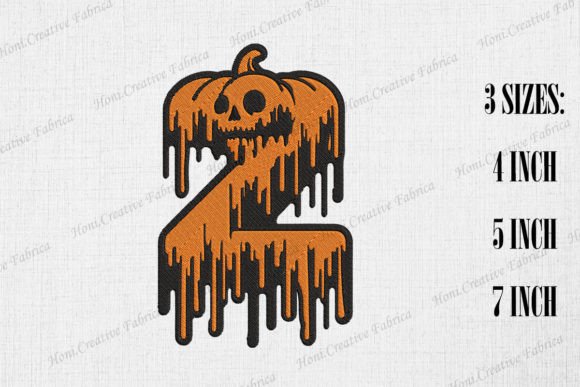
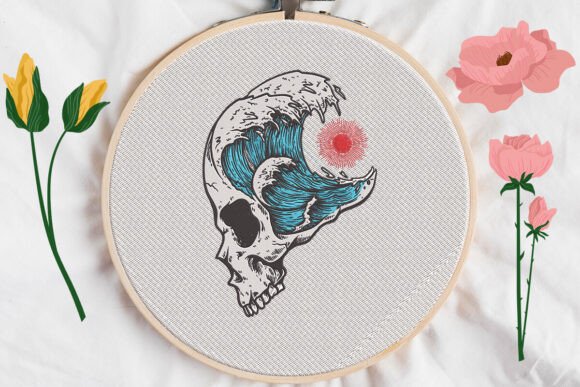
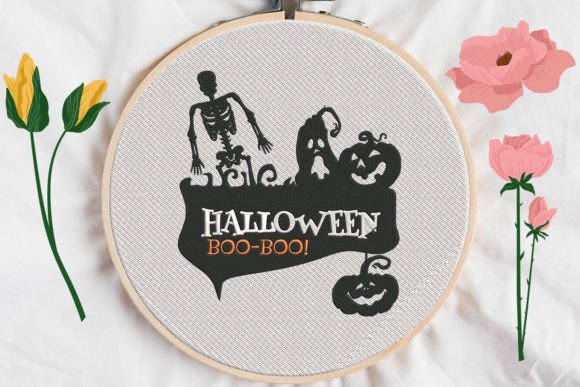
When I first opened the file for Halloween Boo Boo, my initial reaction wasn't about the technical specs or the stitch count. It was about the vibe. In a market flooded with generic skulls and pumpkins, this design immediately stood out because it feels less like a spooky warning and more like a playful invitation. As someone who spends hours evaluating digital assets for client projects and personal craft businesses, I am always looking for that specific spark that turns a simple machine embroidery design into a finished product people actually want to wear or display.
The mood here is undeniably cheerful yet distinctly seasonal. The layout suggests a character-driven approach rather than just a static icon. This isn't just a graphic waiting to be stitched; it has a personality that translates well onto fabric. Whether you are an Etsy seller looking to refresh your holiday shop inventory or a hobbyist making personalized gifts for neighbors, Halloween Boo Boo offers a fresh take on traditional holiday themes. It strikes a balance between being trendy enough for a boutique collection and classic enough to appeal to a broader audience.
Putting It to the Test: A Real-Life Scenario
To truly understand how this design performs, I didn't just look at the preview image; I imagined it in a real-world application. Let's say you are preparing for a fall craft fair and need a standout item for your booth. You decide to create custom embroidered tote bags using organic cotton canvas. This is a popular request, but many designs fail here because they become too dense or lose detail when scaled up.
I visualized Halloween Boo Boo centered on the front of a beige canvas tote. The immediate thought was that the "cheerful and artistic touch" mentioned in the description would shine through perfectly against the natural texture of the bag. The design doesn't scream for attention; instead, it invites a closer look. Customers walking by a table full of dark, heavy Halloween motifs might find themselves drawn to something lighter and friendlier. This specific aesthetic could elevate a standard tote bag into a unique handmade product that feels curated rather than mass-produced.
Imagine taking this same design and applying it to a baby onesie for a nursery-themed gift. The softness of the theme fits perfectly with the delicate nature of baby clothing. However, this brings us to a critical point for any designer: context matters immensely. While Halloween Boo Boo works beautifully on home decor items like tea towels or pillow covers, its success depends entirely on how it interacts with the base material. On a thick sweatshirt, it will look bold and defined. On a thin linen napkin, it requires careful planning to avoid puckering.
Performance Across Different Fabrics and Projects
The versatility of an embroidery file is often its most valuable asset. Halloween Boo Boo seems engineered to handle a variety of surfaces, from structured apparel to softer home goods. For commercial embroidery projects, such as branding small shop merchandise or creating uniform patches, the clarity of the design is paramount. If the stitch density is too high, the fabric might warp, especially on stretchy materials like jersey knit used for t-shirts.
When considering custom apparel, I found myself thinking about the contrast. The design likely relies on specific thread colors to define its character. On a dark fabric background, you would need to ensure the top threads provide enough coverage to prevent the underlying color from showing through, which can muddy the artistic intent. Conversely, on light fabrics, the definition of the lines becomes the primary focus. This is where the quality of the machine embroidery design really gets tested. Does it hold its shape when stitched? Are the curves smooth, or do they look jagged under tension?
For those interested in creating embroidered patches, the outline of Halloween Boo Boo would be crucial. Patches require a clean edge to prevent fraying and to allow for easy application via iron-on or sewing. If the design includes intricate details near the border, it might be risky for a patch unless the hoop size is large enough to accommodate the full perimeter without cutting off essential elements. Similarly, for baby embroidery, safety and comfort are non-negotiable. A design that is too stiff or raised might irritate a baby's skin, so checking the finish on scrap fabric is a mandatory step before selling to parents.
Where Caution is Required
Even the best designs have their limitations, and knowing where Halloween Boo Boo might struggle is just as important as knowing where it shines. Small hoop sizes present a significant challenge. If the design contains detailed corners or tiny lettering, shrinking it down to fit a 4x4 inch hoop could result in lost details or a cluttered appearance. The human eye can spot missing stitches instantly, and a blurry logo can damage the perceived value of a handmade product.
Textured fabrics also demand respect. While a rough burlap or a heavily woven basket weave might look great for a rustic aesthetic, it can make it difficult for the needle to penetrate cleanly, leading to skipped stitches or uneven stitch density. Thin fabrics, such as silk or lightweight polyester blends, are prone to distortion. Without the right support, the pull of the threads can cause the fabric to pucker around the design, ruining the professional look of the final piece.
Curved surfaces like caps or hats introduce another layer of complexity. The curvature changes how the stitches lay flat. A design that looks perfect on a flat screen might appear distorted when wrapped around a curved brim. Furthermore, products that need frequent washing, like kitchen towels or aprons, require robust stitching. If the fill stitch areas are too loose, the design may pill or fade faster than expected after multiple wash cycles. Always consider the end-use life of the item before committing to a specific design for a commercial line.
Design Notes for the Practical Creator
Before you load this file into your machine, there are several practical steps every serious designer should take. First and foremost, test the design on scrap fabric that matches your intended project material. This is the only way to verify how the thread colors interact with the specific shade of your fabric. What looks vibrant on a monitor might appear dull in person if the contrast isn't right.
Review the stitch density carefully. High-density designs can create a stiff, board-like feel, while low-density designs might lack durability. Adjustments to the stabilizer type are often necessary depending on whether you are working with stretchy fabric or a stable woven. For instance, cut-away stabilizer is usually preferred for items that will be washed frequently, whereas tear-away might suffice for temporary decorations.
If you plan to sell finished items, confirm the licensing terms explicitly. Some digital embroidery files are restricted to personal use only, meaning you cannot sell the physical products made from them. Understanding these legal boundaries protects your craft business and ensures you aren't inadvertently infringing on intellectual property. Additionally, inspect the design for any tiny details that might get lost during the digitizing process. Sometimes, what looks fine in a preview can break apart when stitched.
Finally, don't forget to mock up the design in black and white. This helps you see the composition and balance without the distraction of color. It forces you to evaluate the structure of the embroidery project itself. Is the negative space balanced? Do the shapes flow naturally? These questions are vital for creating a cohesive brand identity, whether you are listing on Etsy or running a local boutique.
Halloween Boo Boo represents a thoughtful addition to any library of design assets. It captures the spirit of the season without relying on clichés. By approaching it with a critical eye and testing it rigorously, you can transform a simple digital file into a cherished personalized gift or a profitable small shop product. The difference between a good design and a great one often comes down to the care taken during the execution phase.