Review: Christmas Baby Highland Cow Embroidery Design
As an embroidery designer who spends hours evaluating digital assets before committing them to fabric, I approach every new design with a mix of skepticism and excitement. When I first pulled up the Christmas Baby Highland Cow file for review, my immediate thought was about its potential in the current market for cozy, festive apparel. We are seeing a massive shift toward "hygge" aesthetics—soft, rustic, and deeply comforting visuals—and this design seems tailor-made for that vibe. But does it hold up when scaled up on a premium sweatshirt? That is the real question.
I recently had the opportunity to test this design on a limited drop for a small boutique brand specializing in oversized knitwear and holiday pajama sets. Below is my honest breakdown of how the Christmas Baby Highland Cow performs in a commercial setting, focusing on aesthetic appeal, technical execution, and brand value.
First Impressions and Aesthetic Appeal
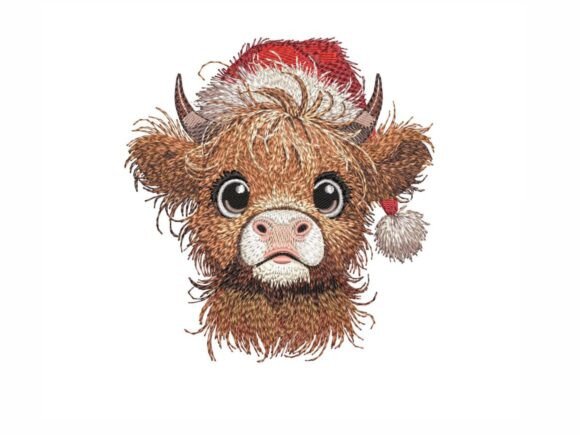
The moment you open the file, the charm of the subject matter shines through. The Highland cow, with its distinctive shaggy coat and gentle expression, is already a favorite among crafters and Etsy sellers. Adding the Christmas element elevates it from cute to collectible. In terms of mood, the design feels playful yet rustic. It avoids being overly childish, which makes it versatile enough for adult audiences looking for unique holiday gear.
Visually, the layout appears balanced. The central figure commands attention without feeling cluttered. For a boutique brand, visual recognition is key. This design offers a strong focal point that works well as a standalone chest placement or as part of a larger lifestyle collection. It strikes a balance between minimal and decorative, ensuring it doesn’t overwhelm the garment’s natural texture. When I imagine this on a cream-colored organic cotton sweatshirt, the contrast would be striking, allowing the intricate details of the cow’s fur and the festive accessories to pop.
Application on Sweatshirts and Hoodies
Sweatshirt embroidery presents unique challenges compared to standard t-shirts. The fabric is thicker, often textured, and requires careful consideration of stitch density and stability. Here is how the Christmas Baby Highland Cow holds up in practical application scenarios:
- Neutral and Pastel Bases: On oatmeal, soft pink, or sage green sweatshirts, the design exudes a premium, understated luxury. The softness of the pastel tones complements the fluffy nature of the Highland cow, creating a cohesive look that appeals to customers seeking gentle, seasonal vibes.
- Dark Fabric Contrast: Placing this design on charcoal, navy, or black hoodies requires careful thread selection. While the design itself is charming, dark backgrounds can sometimes swallow lighter stitches if the density isn't high enough. However, if executed with bold, contrasting thread colors, it creates a bold, streetwear-inspired aesthetic that fits well with modern urban fashion trends.
- Oversized Fits: For oversized hoodies, the scale of the design matters. If the file allows for resizing without losing detail, it can work beautifully as a back print or a large left-chest accent. The playful nature of the cow adds personality to the boxy silhouette of these garments.
I also considered using this design for sleeve accents. Small, repeated motifs along the cuff or down the side seam could add a subtle touch of holiday cheer. This technique is popular among handmade business owners looking to differentiate their products from mass-produced items.
Technical Evaluation for Commercial Use
For any embroidery designer, the devil is in the details. Before approving a design for a commercial collection, I scrutinize several technical aspects:
Stitch Density and Readability
The primary concern with any character-based design is readability at smaller sizes. The Christmas Baby Highland Cow features fine lines representing fur. If the stitch density is too low, the image may look sparse on thick fleece. Conversely, if it is too dense, the sweatshirt fabric may pucker. Ideally, the design should use a combination of fill stitches for the body and satin stitches for outlines to maintain definition. I recommend testing the design at 4 inches wide to ensure the facial features remain distinct.
Fabric Texture and Stabilizer Choice
Sweatshirt material varies widely. Cotton blends behave differently than polyester fleece. To achieve a professional finish, a cut-away stabilizer is non-negotiable for heavyweight fabrics. It provides the necessary support to prevent the embroidery from sinking into the pile of the sweatshirt. The goal is a crisp, raised appearance that feels integrated with the garment rather than stuck on top of it.
Thread Color Contrast
The success of this design hinges on thread choice. Since the description suggests using it for Christmas-themed apparel, incorporating metallic threads for bells or ribbons could elevate the perceived value. However, one must be cautious; too much sparkle can detract from the rustic charm. I suggest using matte threads for the majority of the design to keep it grounded and wearable, resuing shine for small accents.
Brand Identity and Market Positioning
In the crowded marketplace of online shops, your product photography and branding are just as important as the design itself. The Christmas Baby Highland Cow lends itself perfectly to lifestyle product photography. Imagine a mockup preview showing a model wearing the sweatshirt while holding a mug of cocoa, surrounded by pine branches. The design becomes part of a story, not just a logo.
For an Etsy seller or small shop owner, this design helps build trust. High-quality embroidery signals craftsmanship. Customers are willing to pay a premium for handmade products that show attention to detail. By using a unique design like this, you distinguish your brand from competitors who might be using generic clipart-style graphics. It reinforces a brand identity centered on warmth, tradition, and whimsy.
Practical Considerations for Production
Before moving to full-scale production, there are a few logistical steps designers must take:
- Hoop Size Verification: Ensure the design fits within your standard hoop sizes (typically 6x10 or 5x7) to maximize efficiency. If the design is larger, you may need multi-hooping, which increases production time and risk of misalignment.
- Washing Durability: Test the finished product through multiple wash cycles. Embroidery on sweatshirts must withstand friction and detergent. Secure all jump stitches and trim excess backing thoroughly to prevent unraveling.
- Digital Assets: Keep your source files organized. Having a printable mockup ready allows you to list the product on your store before the physical inventory is even made, helping to gauge interest and pre-sell items.
While the visual potential is clear, always check the specific license terms provided with the Christmas Baby Highland Cow embroidery file. Some designs come with restrictions on the number of units you can sell commercially. Additionally, verify the recommended machine settings and file formats to ensure compatibility with your equipment.
Final Verdict
The Christmas Baby Highland Cow is more than just a cute graphic; it is a strategic asset for any brand looking to capitalize on the cozy winter season. Its rustic charm, combined with the versatility of sweatshirt embroidery, makes it a strong contender for boutique collections. Whether used on a high-end hoodie or a affordable pajama set, the design adds a layer of personality that resonates with buyers.
By paying attention to thread contrast, stabilizer support, and presentation, you can transform this digital file into a tangible, beloved product. For the creative entrepreneur, it represents an opportunity to connect with customers on an emotional level, spreading holiday cheer through thoughtful, handmade design.