Rose with Wildflowers: A Designer’s Review for Merch
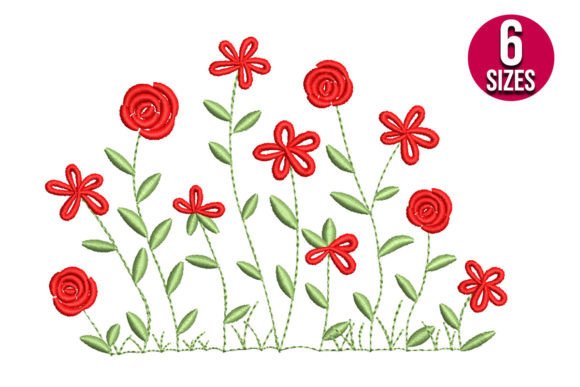
As an experienced embroidery designer, I spend a significant portion of my day evaluating digital assets before they ever hit the hoop. When a small business owner or Etsy seller asks me to review a design for branded merchandise, I am not looking at it merely as "pretty." I am looking at it as a functional business asset. Today, we are reviewing Rose with Wildflowers, a machine embroidery design categorized under Bouquets. The description promises to "embellish your fabrics" with a touch of "whimsy and charm," suggesting its use on towels, pillows, and home decor. But does this design hold up when scaled down for small business merch, stitched onto custom apparel, or used as a high-stakes embroidered patch? Let us dive into the practical realities of using this file in a commercial setting.
First Impressions: Whimsy Meets Professionalism
The title Rose with Wildflowers immediately sets a specific tone. It suggests a blend of classic elegance (the rose) and organic, approachable friendliness (the wildflowers). For a brand identity, this is a powerful combination. It feels handmade yet refined, which is exactly what many boutique brands, bakeries, florists, and creative studios strive for. Unlike stark, geometric logos that can feel cold, this design invites connection. It whispers of rustic charm and artisanal quality. However, "whimsy" can be a double-edged sword in embroidery. If the design is too intricate, it loses definition; if it is too simple, it loses character. Based on the category and title, one expects a balanced composition that relies on texture and thread colors rather than heavy solid fills.
Real-World Application for Small Businesses
Let us look at how Rose with Wildflowers translates from a digital screen to physical products. This is where the rubber meets the road for any entrepreneur selling physical goods.
- Embroidered Patches: One of the most popular uses for this type of design is creating custom patches for denim jackets, backpacks, or tote bags. The circular or clustered nature of bouquet designs often works well for patch formats. If you are selling these as standalone items, the whimsical nature adds perceived value, making them seem like collectible art pieces rather than just branding.
- Staff Uniforms and Aprons: Imagine a local café or a flower shop. A subtle placement of Rose with Wildflowers on the chest pocket of a white apron or a black work shirt can elevate the staff’s appearance. It signals attention to detail and care. For apron embroidery, this design offers a softer alternative to bold text-based logos, which can sometimes feel too corporate.
- Tote Bag Design: Canvas totes are a staple for crafters and bookstores. Stitching this bouquet on a natural canvas bag enhances the "handmade product" aesthetic. It pairs beautifully with eco-friendly branding. The floral elements complement the texture of the fabric, creating a cohesive visual experience for the customer.
- Cap Embroidery: Baseball caps are another lucrative market. However, placing a detailed bouquet on the curved front of a cap requires careful digitizing. If the design has too many fine details, it may blur. But if executed well, it offers a premium look that stands out in a sea of standard sports logos.
- Product Packaging Accents: Beyond apparel, this design can be stitched onto tags attached to jewelry boxes, candle jars, or soap bars. This adds a tactile element to unboxing experiences, increasing customer engagement and perceived luxury.
Where to Exercise Caution: Technical Limitations
While the aesthetic appeal is strong, every embroidery designer knows that not all designs survive every application. There are specific scenarios where Rose with Wildflowers might struggle, and you must evaluate these risks before committing to production.
- Small Patch Sizes: If you plan to stitch this design smaller than 2 inches, you need to inspect the spacing closely. Fine lines between petals or individual wildflower centers may merge together, turning into a muddy blob. Always test at the actual final size.
- High Stitch Density: Bouquet designs often utilize dense satin stitches for outlines. On thin fabrics, this can cause puckering. On thick fabrics like denim, it might be too stiff. You must check the stitch density of the file to ensure it matches the weight of your target fabric.
- Curved Surfaces: As mentioned with caps, curved surfaces distort flat designs. If the design includes tiny lettering or very small details, they will likely become illegible on a hat brim or sleeve cuff.
- Dark Uniforms and Thread Contrast: If you are stitching this on dark uniforms, you will need an underlay and potentially light-colored threads. Ensure the thread colors chosen provide enough contrast against the background fabric. A pale pink rose on a cream towel looks lovely; the same rose on a navy blue shirt without proper underlay might disappear.
- Frequent Washing: For items like aprons or work shirts that undergo frequent industrial washing, loose threads or complex textures can snag. Simpler, bolder designs often last longer in high-wear environments. Evaluate if the "whimsical" details are durable enough for your intended use case.
Impact on Brand Identity and Trust
Choosing the right design assets directly influences how customers perceive your brand. Rose with Wildflowers communicates several key values:
- Professionalism through Craftsmanship: High-quality embroidery shows investment. It tells the buyer that you care about the finish of your product. A clean, well-executed stitch job builds trust.
- Visual Consistency: If your brand uses earth tones, soft pastels, or botanical imagery, this design reinforces that narrative. It helps maintain a consistent visual language across your digital embroidery file library, whether used on social media mockups or physical tags.
- Handmade Presentation: In a market saturated with mass-produced goods, embroidery retains a human touch. Using a design like this emphasizes the "handmade" aspect of your business, allowing you to charge a premium price point.
Practical Notes for the Embroidery Designer
Before you upload this file to your production queue, follow these essential steps to ensure a successful outcome:
- Test in Black and White: Convert the design to monochrome to check the balance of negative space. Does the design have enough "breathing room"? If it looks cluttered in black and white, it will likely look cluttered in color.
- Check Hoop Size: Confirm the required hoop size fits your equipment and the garment dimensions. A design that requires a large hoop might be impossible to stitch on a small child’s shirt or a delicate scarf.
- Stabilizer Selection: The choice of stabilizer is critical. Cut-away stabilizers are generally best for stretchy fabrics or long-lasting wear, while tear-away might suffice for rigid home decor items. Incorrect stabilization leads to misalignment and poor aesthetics.
- Create a Printable Mockup: Before stitching, create a printable mockup for client approval. Show the potential buyer how the design looks on the actual product. This reduces returns and ensures alignment with their vision.
- Confirm Commercial Licensing: This is non-negotiable. Verify that you have the correct license to sell finished goods featuring this embroidery file. Some designers restrict commercial use or require additional fees for high-volume production.
- Inspect Spacing and Outlines: Zoom in on the digitized file. Are the outlines too close together? Will the needle break? Are there any unnecessary jumps that could cause thread breaks during long runs?
Final Verdict
Rose with Wildflowers is a versatile and charming addition to any embroidery library, particularly for businesses leaning into the botanical, rustic, or feminine aesthetic. Its ability to add whimsy and charm makes it ideal for tote bag design, apron embroidery, and decorative home accents. However, success depends entirely on execution. By paying attention to stitch density, fabric texture, and proper stabilization, you can transform this digital asset into a tangible symbol of quality for your customers. Remember to always test on real fabric, compare it beside other design assets in your collection, and ensure it aligns with your overall brand strategy. When done correctly, this design doesn’t just decorate fabric; it elevates your entire brand presence.