Skull and Butterfly Embroidery Design Review
As an embroidery designer who has spent years refining digital files for commercial production, I approach every new design asset with a critical eye. We are not just looking at aesthetics; we are evaluating scalability, stitch efficiency, brand alignment, and overall marketability. Today, I am reviewing the Skull and Butterfly design, a piece categorized under Halloween but possessing a versatility that extends far beyond seasonal decor. For small business owners, Etsy sellers, and apparel decorators, understanding how this design translates from a digital file to a tangible product is crucial for maintaining quality and profitability.
First Impressions: Visual Personality and Brand Alignment
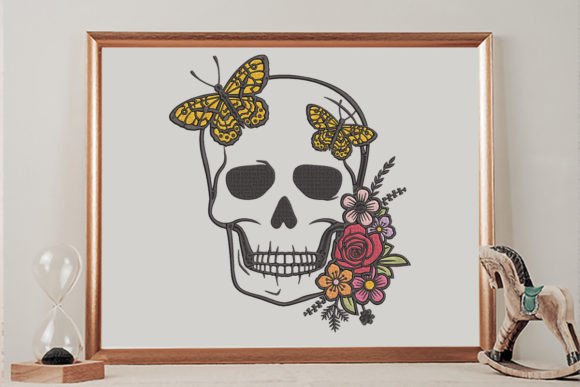
The title Skull and Butterfly suggests a juxtaposition of themes—mortality and rebirth, darkness and delicacy. From a professional standpoint, this combination often signals a "dark academia," gothic, or alternative aesthetic. When I first visualize this design for potential merchandise, it does not feel purely decorative in a traditional sense. Instead, it carries a bold, slightly edgy personality that resonates strongly with handmade brands, boutique shops, and creative studios targeting niche audiences.
For a small café, a bakery with an alternative vibe, or a pet brand catering to rock-and-roll enthusiasts, this design offers immediate visual interest. It feels premium when executed correctly, provided the contrast between the skeletal structure and the organic wings is balanced. However, if the design leans too heavily into intricate detailing without sufficient negative space, it risks losing definition on smaller items. The initial impression is one of playful elegance mixed with rustic charm, making it suitable for brands that want to project individuality rather than corporate uniformity.
Real-World Application in Small Business Merchandise
One of the most valuable aspects of this machine embroidery design is its adaptability across various product categories. Let us look at how Skull and Butterfly performs in real business scenarios:
- Embroidered Patches: This design is ideal for creating iron-on or sew-on patches. These can be sold as standalone accessories or attached to denim jackets, backpacks, and beanies. The dual motif allows for interesting color blocking, which increases perceived value for customers.
- Apparel Accents: Placing the design on the left chest of a work shirt creates a subtle yet distinctive brand mark. Alternatively, using it as a sleeve detail or back print adds a statement piece element to custom apparel. It works exceptionally well for staff uniforms in creative industries where personal expression is encouraged.
- Tote Bags and Aprons: For crafters and bakers, a tote bag design featuring this motif serves as both functional merchandising and a walking billboard. On apron embroidery, it adds a touch of personality to kitchen wear, appealing to home cooks who enjoy artistic flair.
- Cap Embroidery: The curved nature of caps makes them perfect for compact designs. If the Skull and Butterfly file is optimized for a standard 5x7 hoop, it can be centered on the front panel of a cap, offering a unique alternative to standard text-based logos.
- Product Packaging and Labels: Beyond clothing, this embroidery file can be used on fabric labels sewn into garments or on tags attached to handmade goods. This level of detail enhances the unboxing experience and reinforces brand identity.
Strategic Placement and Cautionary Areas
While the design has broad appeal, there are specific contexts where Skull and Butterfly requires careful evaluation. As a designer, I advise clients to avoid placing intricate details in areas prone to distortion or excessive wear.
First, consider small patch sizes. If the original design contains fine threadwork or tiny lettering, reducing it to fit a 2-inch patch may result in a muddy, indistinct image. Always inspect the spacing between elements before finalizing the digitization. Second, be cautious with curved surfaces like the front of baseball caps or the sides of tote bags. Without proper stabilizer support and tension adjustments, the delicate butterfly wings may pucker or distort.
Furthermore, evaluate the stitch density. High-density areas can make fabric stiff and uncomfortable, particularly on lightweight cotton tees or delicate linens. If the design uses heavy satin stitches for outlines, it may not lay flat on textured fabrics like fleece or thick canvas. Additionally, while dark uniforms provide excellent contrast for light-colored threads, ensure that the thread colors chosen do not clash with the brand’s existing palette. Consistency is key to building customer trust and recognition.
Impact on Brand Identity and Customer Trust
Incorporating a unique design like Skull and Butterfly into your product line does more than just add decoration; it communicates values. It suggests that your brand is confident, artistic, and willing to embrace unconventional beauty. For Etsy sellers and digital embroidery file buyers, this translates to higher engagement. Customers are drawn to products that tell a story or reflect a specific subculture. By using high-quality design assets, you signal professionalism and attention to detail, which directly influences buyer confidence and repeat purchases.
Practical Notes for Embroidery Professionals
Before integrating this digital embroidery file into your production workflow, follow these essential steps to ensure a successful finished product:
- Test in Black and White: Convert the design to monochrome to check the balance of positive and negative space. This helps identify areas that may become cluttered when stitched.
- Check Scale and Hoop Size: Confirm the maximum hoop size required. Ensure the design fits comfortably within your machine’s capabilities without unnecessary trimming.
- Review Thread Color Contrast: Select thread colors that pop against your target fabric. Dark backgrounds often require metallic or bright threads for visibility, while light fabrics benefit from deeper, richer hues.
- Inspect Stitch Density and Spacing: Look for overlapping stitches that might cause needle breaks or fabric puckering. Adjust pull compensation if necessary during digitization.
- Test on Real Fabric: Never skip the sample run. Stitch the design on the actual material you plan to use. Observe how the fabric texture interacts with the threads and whether a proper stabilizer is needed to prevent shifting.
- Create a Printable Mockup: Before committing to bulk production, generate a printable mockup for client approval or social media promotion. This allows you to gauge customer reaction without wasting resources.
- Confirm Commercial Licensing: Most importantly, verify the licensing terms. Ensure you have the right to sell physical products made from this commercial embroidery file. Reselling the digital file itself is typically prohibited unless explicitly permitted.
Conclusion
The Skull and Butterfly design offers a compelling option for small businesses looking to expand their merchandise offerings with character and style. Its ability to bridge the gap between spooky seasonality and year-round alternative fashion makes it a versatile tool in the arsenal of any handmade product creator. By paying close attention to technical execution, fabric selection, and brand alignment, designers and entrepreneurs can leverage this design to create memorable, high-value items that resonate with their audience. Whether used for custom apparel, event merch, or boutique branding, this design proves that thoughtful embroidery can elevate a simple product into a statement piece.