Baby Dog Embroidery Design Review
As an embroidery designer who spends countless hours digitizing and testing patterns for boutique collections, I am always on the lookout for designs that balance charm with commercial viability. Recently, I came across the Baby Dog design on Creative Fabrica, and it immediately caught my eye. For those of us building a brand around handmade products, finding a motif that resonates with customers while remaining versatile enough for various apparel types is crucial. This review explores how this machine embroidery design might fit into a modern collection of custom apparel, particularly focusing on sweatshirts, hoodies, and lifestyle accessories.
First Impressions: Visual Personality and Mood
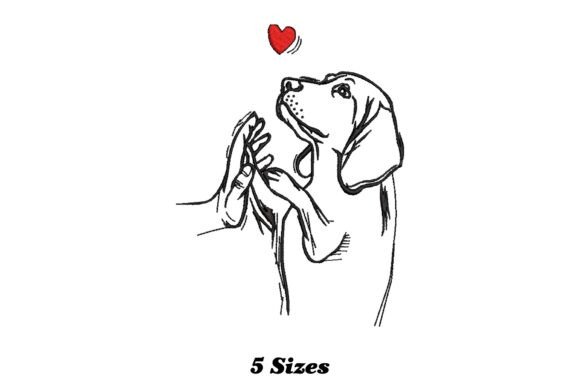
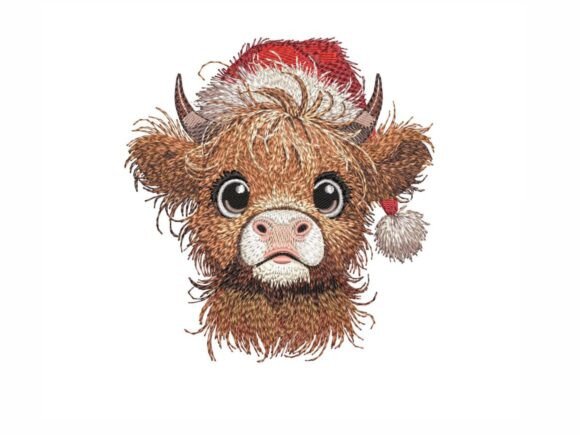
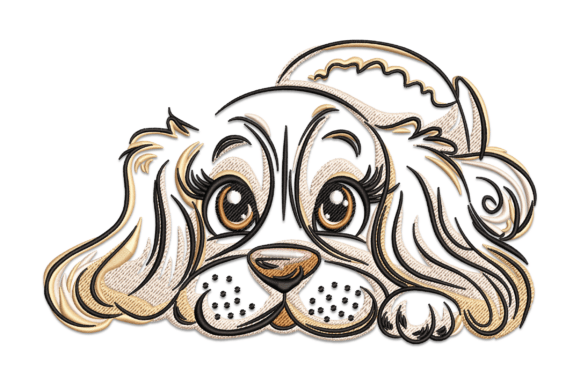
The first thing you notice about the Baby Dog design is its inherent playfulness. It does not try to be overly serious or high-fashion; instead, it leans into a cute, whimsical aesthetic that feels both trendy and timeless. The visual personality suggests a design that is approachable and fun, making it ideal for brands that want to evoke warmth and joy. In terms of detail level, it appears to strike a good balance—detailed enough to show character without becoming so dense that it compromises the fabric’s drape.
For a boutique brand, this kind of decorative strength is valuable. It feels casual yet polished, suitable for a wide range of demographics. Whether you are targeting young parents, pet lovers, or simply people who appreciate quirky home decor, the design has a broad appeal. The mood is definitely lighthearted, which can significantly enhance the perceived value of a finished product by adding an element of delight to everyday wear.
Applying Baby Dog to Boutique Apparel
When planning a small sweatshirt or hoodie collection, placement is everything. Here is how I envision this design performing across different garment types:
- Sweatshirt Embroidery: On a neutral-colored crewneck sweatshirt, the Baby Dog design would pop beautifully. The soft texture of French terry cotton provides a perfect canvas for the stitches, allowing the thread colors to stand out without competing with the fabric weave.
- Hoodie Chest Placement: A classic left-chest placement offers a subtle nod to the design. This is perfect for a minimalist aesthetic where the logo or graphic is meant to be seen but not overwhelming. It works exceptionally well for branded merchandise where consistency is key.
- Sleeve Accents: For a more unique touch, placing the design on the sleeve adds a dynamic element. This is great for oversized garments where extra space allows the design to breathe. It transforms a standard hoodie into a statement piece.
- Back Designs: If the design scale permits, a centered back placement can create a bold look. This is effective for lifestyle product photos and social media graphics, as it creates a strong focal point when photographed from behind.
- T-Shirt Embroidery: While t-shirts offer less structure than hoodies, a smaller version of the design can work well on the chest. However, care must be taken with stitch density to prevent puckering on lightweight jersey fabrics.
- Denim Jackets and Tote Bags: Denim provides a sturdy base that can handle slightly denser stitching if needed. For tote bags, the design adds a personal touch to everyday carry items, appealing to Etsy sellers looking for practical yet charming gifts.
Color and Contrast Considerations
Thread color contrast is critical for visibility and aesthetic appeal. On pastel hoodies, lighter thread colors might blend in too much, whereas darker threads could provide a striking contrast. On dark garments, such as charcoal or navy, bright or metallic threads could make the Baby Dog design truly shine. Experimenting with different thread palettes can help tailor the look to specific seasonal trends, from cozy autumn tones to fresh spring pastels.
Practical Designer Notes for Production
Before moving to production, there are several technical aspects every embroiderer should consider. As a professional, I cannot stress enough the importance of testing your files on scrap fabric before committing to expensive inventory.
- Stabilizer Choice: The type of stabilizer used can drastically affect the final look. For stretchy fabrics like fleece or ribbed knit, a cut-away stabilizer is often necessary to prevent distortion over time. For woven fabrics, tear-away might suffice for lighter designs.
- Hooping and Stretch: Ensure the hoop size accommodates the design area comfortably. When working on curved surfaces or areas that may stretch, such as near seams or hems, additional hooping techniques or adhesive sprays may be needed to keep the fabric taut and wrinkle-free.
- Stitch Density Inspection: Review the stitch density of the digital file. If the design is too dense for the intended fabric, it can feel stiff and uncomfortable against the skin. Conversely, if it is too sparse, it may lack definition. Always test on similar garment fabric to check for any potential issues.
- Licensing and Details: Before selling finished apparel, confirm the licensing terms provided by Creative Fabrica. Understanding what you can and cannot do with the embroidery file is essential for protecting your business. Additionally, verify file formats and machine compatibility to ensure smooth operation on your specific equipment.
Impact on Brand Identity and Customer Engagement
Using a design like Baby Dog can significantly influence your brand identity. It signals to customers that your products are thoughtfully curated and designed with care. Professional presentation and visual consistency build buyer trust, making them more likely to return for future purchases. When customers see a cohesive collection, they perceive higher quality and attention to detail.
Furthermore, these designs are highly shareable. In the age of social media, a cute and well-executed embroidery project can generate organic engagement. Printable mockups featuring the Baby Dog design can be used for online listings, helping to attract clicks and conversions. For an Etsy seller or small shop owner, having a variety of applications—from home decor to custom apparel—expands your market reach and increases the potential for sales.
Where to Use the Design Carefully
While the Baby Dog design is versatile, there are areas where caution is advised. Small chest placements on very thin fabrics may result in visible backing or stiffness. Dense stitch areas on stretchy materials require precise tension settings to avoid pulling or warping. Ribbed fabric, due to its elasticity, can distort under heavy stitching unless proper stabilization techniques are employed. Dark garments may require specific thread choices to ensure the design remains visible and vibrant. Tiny lettering, if included, should be checked for legibility after stitching, as fine details can sometimes get lost in the texture of certain fabrics.
Final Thoughts
The Baby Dog design from Creative Fabrica offers a delightful option for embroidery enthusiasts and boutique owners alike. Its playful nature and adaptable style make it a strong candidate for a variety of projects, from cozy winter hoodies to summer t-shirts. By paying attention to technical details like stabilizer choice, thread contrast, and fabric texture, you can ensure that your finished products meet the highest standards of quality. This design has the potential to become a staple in your collection, helping you connect with customers through heartfelt, handcrafted details. Remember to always review the specific product details and licensing agreements before incorporating any digital embroidery file into your commercial offerings.