Butterfly Corner Embroidery Design Review
If you have ever stood behind a craft fair table, staring at your own handmade inventory while hoping passersby will stop, you know the stakes. The difference between a design that gathers dust and one that sells out by noon often comes down to visual impact, production efficiency, and how well the motif translates from screen to fabric. As an experienced embroidery designer who has produced hundreds of designs for weekend markets and online boutiques, I look at every new file with a critical eye. Today, we are reviewing Butterfly Corner, a machine embroidery design categorized under borders, which promises to add a touch of whimsy and charm to your home decor and apparel projects.
First Impressions: Whimsy Meets Marketability
The moment I loaded the digital embroidery file into my hoop, the first thing I noticed was its potential versatility. The title suggests a specific placement—likely a corner motif—but the description invites us to embellish towels, pillows, and general home decor. This flexibility is exactly what a successful craft fair product needs. In my experience, customers are drawn to items that feel personal yet polished. "Whimsy and charm" are strong selling points because they evoke emotion. Unlike stark modern geometric patterns that can feel cold, a butterfly border feels inviting, soft, and decorative. It sits comfortably in the popular farmhouse, rustic, or cottage-core aesthetics that dominate platforms like Etsy and local maker markets right now.
From a branding perspective, this design feels premium without being overly complicated. It does not scream for attention; instead, it whispers elegance. This subtlety is crucial for handmade product lines where you want the quality of the stitch work to speak for itself rather than relying on loud, distracting graphics.
Product Applications: Where Butterfly Corner Shines
Let’s talk about real-world application. When preparing for a busy Saturday market, I need designs that perform well across multiple SKUs (Stock Keeping Units). Here is how I envision Butterfly Corner performing on key items:
- Tote Bags and Market Bags: A tote bag is a walking billboard for your brand. Placing this border along the bottom hem or the top corners creates a sophisticated frame. On canvas or cotton totes, the design stands out clearly. It transforms a plain bag into a tote bag design that looks custom-made, justifying a higher price point.
- Apron Embroidery: Kitchen wear is a staple at craft fairs. Stitching this border near the waistband or cascading down the bib adds a professional finish. Because it is a border style, it frames the functional area of the apron beautifully, making it an ideal apron embroidery choice for home cooks who appreciate beauty in utility.
- Tea Towel Embroidery: Linen or cotton tea towels are low-cost, high-margin items. Using this design as a corner accent allows you to produce these quickly. They make excellent impulse buys or add-on items at checkout. The whimsical nature of butterflies appeals to gift buyers looking for something special for housewarmings or hostess gifts.
- Pillow Covers and Home Decor: For larger items, this border can be repeated or scaled. It works wonderfully on throw pillows, adding a soft texture that contrasts nicely with the weave of the fabric. These are great display pieces for your booth, showing customers the depth and detail of your work.
- Embroidered Patch and Caps: If the design size permits, it can be stitched onto patches for denim jackets or backpacks. On caps, however, caution is advised due to the curved surface, which we will discuss later.
Production Practicality and Batch Efficiency
For the Etsy seller or small shop owner, time is money. A design that takes twenty minutes to stitch when ten will do is a lost opportunity. While exact stitch counts should always be verified in your specific software, border designs generally offer efficient run times. The repetitive nature of a corner motif means you can set up your hooping jig once and churn out identical products rapidly. This repeatability is essential for batch production.
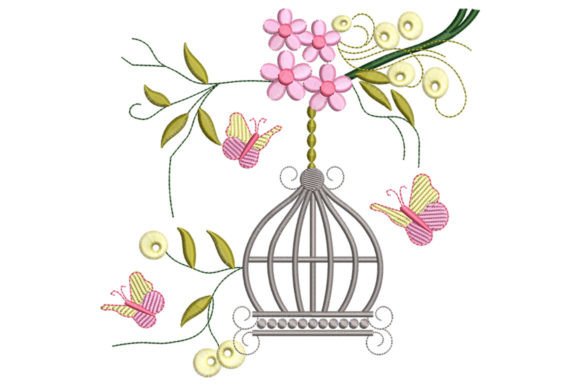
Photography is another huge factor. Designs with clear outlines and distinct elements photograph better. Butterflies provide natural focal points that draw the camera lens in. When creating a printable mockup for your online listings, this design will likely render sharply, giving potential buyers confidence in the final look. It photographs well against neutral backgrounds, enhancing its appeal in a digital storefront.
Critical Considerations for Quality Control
Even the most charming design can fail if executed poorly. As a designer, I urge you to pay close attention to the technical details before committing to mass production. Here are some careful-use notes for Butterfly Corner:
- Stitch Density and Clarity: Check the stitch density carefully. If the design includes tiny details within the butterfly wings, ensure they are large enough to remain visible after stitching. Small details can get lost or become stiff lumps of thread if the density is too high. Always inspect the digitizing to ensure there is adequate spacing between elements.
- Fabric Texture and Choice: The description mentions towels and pillows. Be mindful of fabric texture. Terry cloth towels can sometimes swallow fine stitches, so you may need to adjust tension or use a cut-away stabilizer to prevent distortion. Smooth cottons or linens will showcase the design best.
- Thread Contrast: The success of any embroidery file relies on contrast. If you are stitching on dark fabric, ensure you have vibrant thread colors available. Pastel threads on dark backgrounds may lack definition. Conversely, bright threads on light fabrics might overwhelm the delicate whimsy of the design.
- Hoop Size and Stabilizer: Confirm the required hoop size fits your project dimensions. Using the wrong stabilizer can lead to puckering, especially on stretchy knits or lightweight wovens. For home decor items, a tear-away or cut-away stabilizer is usually recommended depending on the fabric weight.
- Curved Surfaces: If attempting this on caps, remember that flat-corner designs can distort on curved brims or fronts. You may need to digitize a specific version for headwear or test extensively on scrap fabric to see how the corners adapt to curvature.
Final Verdict for the Creative Entrepreneur
Butterfly Corner is more than just a pretty picture; it is a strategic asset for your creative business. It bridges the gap between artistic expression and commercial viability. Its ability to enhance everyday items like aprons and towels gives it broad market appeal. For the commercial embroidery professional, it offers a reliable way to add value to basic blanks. For the digital embroidery file creator or reseller, it is a versatile asset that fits into numerous niches, from baby showers to wedding favors.
Before you launch your next collection, I recommend testing this design on scrap fabric to confirm the aesthetic matches your brand vision. Create at least one real mockup to evaluate how the thread colors interact with your chosen textiles. Ensure you have confirmed commercial licensing terms if you plan to sell finished goods, as this dictates your legal right to profit from the design assets.
In summary, if you are looking to elevate your small shop product line with something that feels handcrafted, charming, and professionally finished, Butterfly Corner is a strong contender. It captures the eye, delights the customer, and respects your production time. In the competitive world of handmade markets, that is a winning combination.